
Car Insurance After Dropping a Second Vehicle — Fayetteville, NC
Free to compare
The Mid-Term Cancellation Rate Surprise
You sold the truck you stopped driving two years ago, called your carrier to remove it from the policy, and expected your premium to drop. Instead, your next bill showed the remaining sedan at nearly the same monthly cost, sometimes higher. The agent said the multi-car discount fell off but offered no clear path to lower the bill until renewal in seven months.
This is the mid-term cancellation gap: North Carolina carriers bundle multi-car and multi-policy discounts into your premium at policy inception, but most do not recalculate those discounts automatically when you cancel a vehicle mid-term. The system treats the cancellation as a coverage reduction, not a household profile change, leaving you paying rates built for two cars on a policy now covering one until the next renewal date arrives.
“North Carolina carriers bundle multi-car discounts at policy inception but rarely recalculate them mid-term when you cancel a vehicle.”

Keep Your North Carolina Coverage Right for Retirement
Get My North Carolina Retiree Auto Insurance Quote$50,000
NC Bodily Injury Minimum Per Person
North Carolina requires $50,000 bodily injury liability per person, $100,000 per accident, and $50,000 property damage. When you drop to one vehicle, your liability exposure does not change, but the premium calculation does, and most carriers will not adjust it until you ask.
N.C. General Statutes § 20-309
What Happens to Your Discounts When the Second Car Leaves
Multi-car discounts apply when two or more vehicles insure under the same policy. The discount typically reduces each vehicle's premium by a percentage filed with the state. When you cancel one vehicle, the carrier removes that vehicle's premium but also removes the multi-car discount from the remaining vehicle, recalculating its cost at the single-vehicle rate. That recalculation happens automatically at the next renewal for most North Carolina carriers, but rarely mid-term unless you request it in writing.
The policy adjustment you initiated when you called to cancel coverage on the second vehicle is processed as an endorsement: the carrier issues a pro-rated refund for the unused portion of the canceled vehicle's premium, adjusts the declarations page, and continues the policy term for the remaining vehicle at its newly calculated rate. That newly calculated rate reflects the loss of the multi-car discount, which is why the remaining vehicle's cost climbs even though total household premium dropped.
Some carriers layer multi-policy discounts on top of multi-car discounts when you bundle home and auto. Dropping a vehicle does not affect the home policy, so the multi-policy discount usually survives, but confirm this explicitly. The combination of losing multi-car and accidentally losing multi-policy recognition can push a retiree's single-vehicle premium above what a competing carrier would quote for the same coverage with no bundling at all.
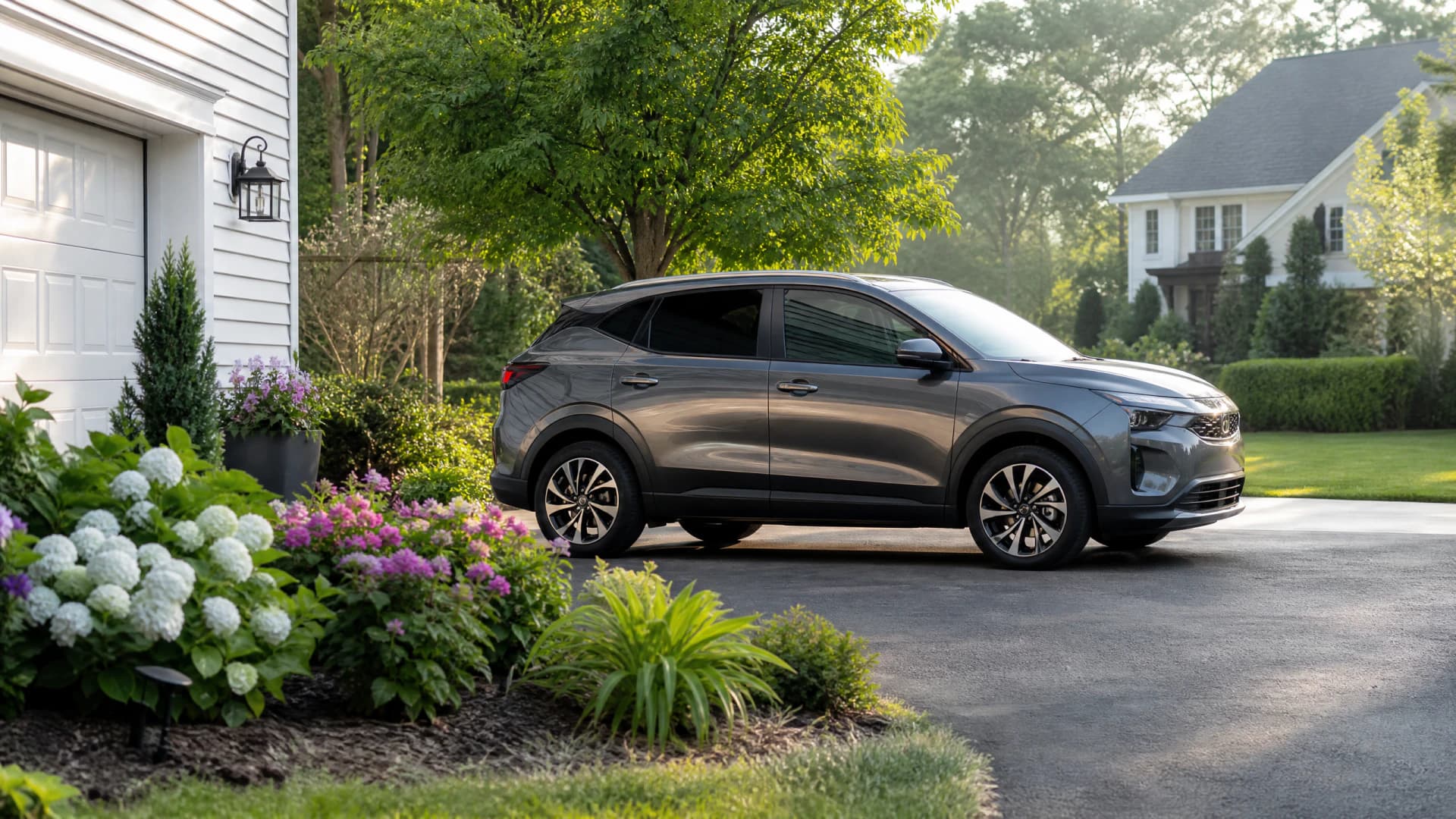
You are stuck paying a bundled rate on a single car until renewal unless you request immediate repricing or switch carriers mid-term.
Related Articles

Car Insurance After Dropping Second Car NC
6/15/2026

Car Insurance After Dropping a Second Car
6/15/2026

Car Insurance After Dropping Second Car
6/15/2026

Retiree Insurance After Dropping a Car
6/15/2026

Durham NC Retiree Insurance After Dropping Car
6/15/2026
Car Insurance After Dropping Second Car Cary NC
6/15/2026

State-Approved Discounts That Apply to Single-Vehicle Policies
North Carolina does not mandate a mature-driver or course-completion discount, so carriers file these discounts voluntarily and the amounts vary. If you completed a defensive driving course in the past three years, ask your current carrier and any comparison carrier whether the certificate qualifies and what percentage it applies to your single-vehicle premium. Some carriers require the course provider to appear on a state-approved list; others accept any provider accredited by AARP, AAA, or the National Safety Council. The certificate typically expires three years from course completion, and most carriers do not notify you when it lapses.
Low-mileage and usage-based programs apply to single-vehicle households and often yield larger premium reductions than multi-car discounts ever did for retirees driving under 7,500 miles annually. Nationwide offers SmartRide, Progressive offers Snapshot, and State Farm offers Drive Safe & Save, all available to North Carolina drivers. Enrollment requires installing a telematics device or mobile app that monitors mileage and driving patterns for an initial period, usually 90 days, after which the carrier applies a discount based on actual use. If you no longer commute and drive primarily for errands, medical appointments, and social activities, these programs often deliver measurable savings where multi-car bundling did not.
Medical payments coverage and personal injury protection interact differently with Medicare once you reach 65. North Carolina does not require PIP, and many retirees carry medical payments coverage out of habit from working years when it supplemented employer health insurance. Medicare Part B covers medical expenses after an auto accident as secondary payer, which means the auto policy's medical payments coverage pays first up to its limit, then Medicare covers the remainder. If your medical payments limit is low and you carry comprehensive Medicare Supplement or Medicare Advantage coverage, the medical payments premium may not justify its cost. Ask each quoted carrier what removing medical payments would save on a single-vehicle policy.
25
Carriers Writing NC Auto Policies
At least 25 standard and non-standard carriers write private passenger auto insurance in North Carolina, including preferred-tier carriers like USAA, Erie, and Auto-Owners. Shopping beyond your current carrier after dropping a vehicle gives you access to single-car pricing models that may fit retiree driving profiles better than the multi-car bundle ever did.
North Carolina Department of Insurance licensure data

When Full Coverage Still Makes Sense on a Paid-Off Vehicle
Collision and comprehensive coverage on a paid-off vehicle is a judgment call, not a regulatory requirement. If your remaining vehicle is worth less than ten times your annual collision and comprehensive premium, conventional guidance suggests dropping both and self-insuring the vehicle's replacement cost. A 2015 sedan worth $6,000 with a combined collision and comprehensive annual premium of $720 crosses that threshold; a 2018 crossover worth $14,000 with the same premium does not.
Fayetteville sits in Cumberland County, where vehicle theft rates run slightly above the state average and comprehensive claims for storm damage occur frequently during hurricane season. If you park in a carport or garage and your vehicle's actual cash value sits below $8,000, dropping comprehensive may reduce annual premium by $300–$450, but verify your county's theft and weather-loss data with your carrier before deciding. Collision coverage becomes harder to justify on older paid-off vehicles because the payout caps at actual cash value minus your deductible, and a $500 deductible on a $6,000 vehicle leaves a maximum $5,500 claim even in a total-loss scenario.
What Happens at Your Next Renewal
If you keep your current carrier and wait for renewal, the renewal notice will reflect your single-vehicle rate with all applicable discounts recalculated based on your current profile. This is when mature-driver discounts, course-completion credits, and low-mileage programs typically apply if you enrolled them before the renewal date. Review the renewal declarations page carefully: confirm the multi-policy discount still appears if you bundle home insurance, verify that any telematics program discount shows as applied, and check that your liability limits match your coverage intent now that you own one vehicle instead of two.
Some retirees increase liability limits after dropping a second vehicle because the household profile simplified and the premium savings from losing the second car creates room in the budget for higher protection. North Carolina's $50,000 per person bodily injury minimum exposes retirement assets in any at-fault accident involving serious injury, and increasing to $100,000 per person and $300,000 per accident costs less on a single-vehicle policy than it did on a two-vehicle bundle. Ask your carrier to quote the increase at renewal and compare it against the actual asset exposure you carry.

Compare Before Your Renewal Date Arrives
Request quotes from at least two carriers that write standard auto policies in North Carolina and serve single-vehicle households well: Geico and Progressive both offer online quoting and competitive single-car pricing for retirees with clean records. State Farm and Nationwide operate through agents in Fayetteville and apply mature-driver and low-mileage discounts at the quote stage if you provide documentation. Ask each carrier whether a defensive driving course certificate you already hold qualifies for a discount, what their usage-based program measures, and whether medical payments coverage is included by default or optional on their North Carolina policies. Compare the annual premium, not monthly, because some carriers charge installment fees that obscure the true cost. The comparison step takes less than two hours and frequently uncovers savings your current carrier will not match even at renewal.
How to Force Mid-Term Recalculation or Switch Before Renewal
Call your carrier within two weeks of the vehicle cancellation and ask whether your rate was recalculated to reflect the household profile change, not just the vehicle removal. Ask specifically whether any mature-driver discount, low-mileage program, or defensive-driving course credit applies to the remaining vehicle now that it is the only vehicle on the policy. Some carriers apply these discounts only at renewal unless you request mid-term application in writing. Document the call date, representative name, and the answer you receive.
If the carrier confirms no mid-term adjustment is available, request quotes from at least two other carriers writing in North Carolina before your renewal date. Geico, Progressive, State Farm, and Nationwide all write standard-tier policies in Fayetteville and offer online quoting for single-vehicle households. Compare the single-vehicle quote against your current carrier's post-drop premium, not against what you paid when you had two cars. The fair comparison is single-car rate to single-car rate, and retirees who complete this step often find a 15–25 percent reduction by switching carriers rather than waiting for renewal with the incumbent.
Get Your Free Quote
Get My North Carolina Retiree Auto Insurance QuoteFrequently Asked Questions
Will my car insurance automatically go down after I cancel my second vehicle in North Carolina?
No. Most North Carolina carriers issue a pro-rated refund for the canceled vehicle's unused premium but do not automatically recalculate multi-car discounts on the remaining vehicle until the next renewal date. You pay the single-vehicle rate without the multi-car discount unless you request immediate repricing or switch carriers mid-term.
How long does it take for my premium to adjust after dropping a car from my policy?
The vehicle removal processes within one billing cycle, typically 30 days, but the discount recalculation happens at renewal for most carriers unless you request mid-term adjustment in writing. If your renewal is seven months away, you pay the adjusted single-vehicle rate for seven months before any mature-driver or low-mileage discounts apply automatically.
Can I switch car insurance mid-term after canceling my second vehicle?
Yes. You can cancel your current policy at any time and switch to a new carrier, receiving a pro-rated refund for the unused portion of your premium. Switching mid-term after dropping a vehicle often delivers better single-car pricing than waiting for renewal, especially if the new carrier applies mature-driver and low-mileage discounts immediately.
Do I need full coverage on my paid-off car after dropping my second vehicle?
No, North Carolina does not require collision or comprehensive coverage on vehicles you own outright. Whether to keep full coverage depends on your vehicle's actual cash value, your deductible, and your county's theft and weather risk. A conventional threshold is whether the vehicle is worth more than ten times your annual collision and comprehensive premium.
What discounts apply to single-vehicle policies for retirees in North Carolina?
North Carolina does not mandate a mature-driver discount, but many carriers offer one voluntarily based on age or completion of a state-approved defensive driving course. Low-mileage and usage-based programs like Progressive Snapshot, State Farm Drive Safe & Save, and Nationwide SmartRide also apply to single-vehicle households and often yield larger savings than multi-car discounts for retirees driving under 7,500 miles annually.
How does Medicare affect my car insurance medical payments coverage in North Carolina?
Medicare Part B covers medical expenses after an auto accident as secondary payer, meaning your auto policy's medical payments coverage pays first up to its limit, then Medicare covers the remainder. If you carry comprehensive Medicare coverage and your medical payments limit is low, the premium may not justify the cost on a single-vehicle policy.