
Car Insurance After Dropping a Second Vehicle — Gastonia, NC
Free to compare
Why Your Premium Didn't Drop When the Second Car Left
You sold the second car or transferred the title to a family member. You called your carrier, removed it from the policy, and expected a meaningful drop at renewal. Instead, the premium decreased by $30 or $40 a month when you thought it would cut nearly in half. You're now paying close to what two lightly driven vehicles cost a year ago, but for only one car.
The discount structure most carriers use for multi-car policies does not reverse cleanly when a vehicle leaves. The bundled rate reflected a percentage off each vehicle's base premium. When one car drops off, the remaining vehicle loses that percentage discount and reverts closer to its unbundled base rate. You're no longer paying for two cars, but you're also no longer receiving the multi-car reduction on the one that stayed. The net result feels like you're subsidizing a ghost vehicle.
“Your policy is priced as a legacy multi-car account minus one car, not as a new single-car retiree application.”

Keep Your North Carolina Coverage Right for Retirement
Get My North Carolina Retiree Auto Insurance Quote$50,000
NC Bodily Injury Minimum Per Person
North Carolina's $50,000 per person, $100,000 per accident, $25,000 property damage liability floor is the baseline every policy must meet. Retirees with retirement assets often carry higher limits because the minimum exposes those assets in an at-fault accident.
N.C.G.S. Chapter 20
How Multi-Car Discounts Work in Reverse
Multi-car discounts apply as a percentage reduction to each vehicle's individual premium. A two-car household might see a 10 to 20 percent discount per vehicle, depending on the carrier. When you drop to one car, that vehicle's premium climbs back toward its undiscounted rate. The discount didn't vanish because you did something wrong; it vanished because the pricing structure treats single-car policies differently from multi-car policies, even when the policyholder and driving record remain identical.
Carriers do not automatically reprice you as a new single-car applicant. Your policy continues under its existing rate class and tier, which was set when you qualified as a multi-car household. A retiree applying fresh as a single-car policyholder today, with the same vehicle and record, often qualifies for a different rate class that reflects lower annual mileage and a mature-driver profile. Your legacy policy does not inherit that pricing without a new underwriting cycle.
Most carriers require you to initiate the re-quote. Renewal notices reflect the change in vehicle count but not a reunderwriting of your entire profile. If you now drive 4,000 miles a year instead of 12,000, own a paid-off vehicle, and qualify for a mature-driver discount in North Carolina, those factors matter most in a fresh quote, not in a mid-term vehicle deletion.
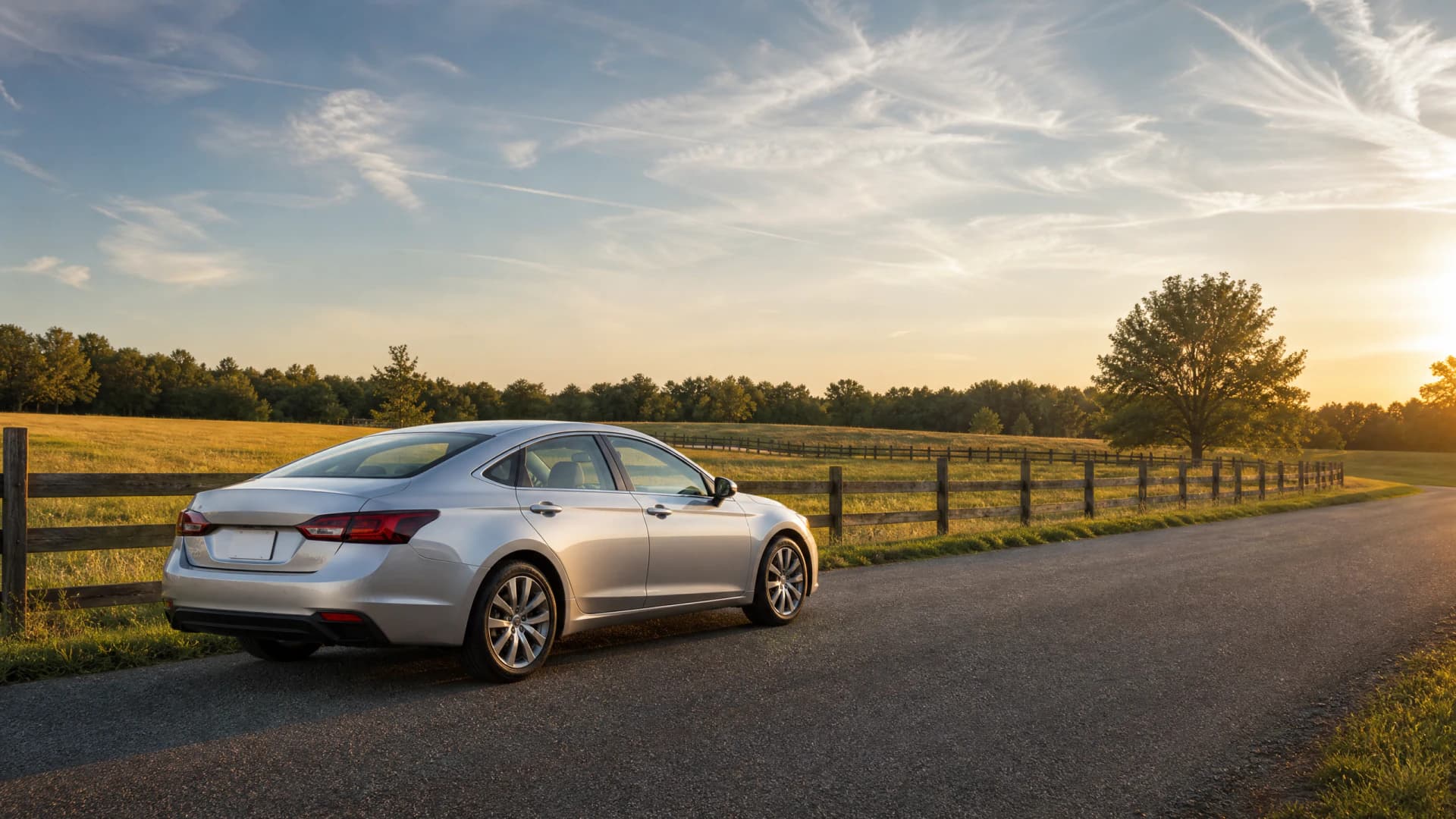
Your policy is priced as a legacy multi-car account minus one car, not as a new single-car retiree application. That gap is the structural blocker.
Related Articles

Car Insurance After Dropping Second Car NC
6/15/2026

Car Insurance After Dropping Second Car NC
6/15/2026

Car Insurance After Dropping Second Car Cary NC
6/15/2026

Car Insurance After Dropping Second Car
6/15/2026

Retiree Insurance After Dropping a Car
6/15/2026

Car Insurance After Dropping Second Car
6/15/2026

Carriers That Handle Single-Car Retiree Profiles Well in North Carolina
State Farm, Nationwide, and Progressive write standard and preferred-tier auto policies in North Carolina and maintain mature-driver discount programs. State Farm and Progressive offer online quoting; Nationwide offers online quoting and agent access. All three file voluntary senior discounts with North Carolina's Rate Bureau, but the discount percentage and eligibility criteria vary by carrier and are not published in a central registry. You confirm the amount at quote time.
Auto-Owners and Erie serve preferred-tier applicants through independent agents in North Carolina. Both require broker contact rather than online self-service quoting. Retirees with clean records and low annual mileage often qualify for preferred pricing, and agent-based carriers sometimes offer more flexibility in mileage classification and coverage customization than direct-quote platforms.
Geico writes in North Carolina and provides online quoting with no agent requirement. Geico does not publish a specific mature-driver course discount amount for North Carolina, but the carrier accepts mileage updates and low-mileage program enrollment at any time, which matters more than age-based discounts for many retirees whose annual mileage dropped when the commute ended.
19
Carriers Writing Auto Policies in NC
At least 19 carriers maintain active auto insurance filings in North Carolina across standard, preferred, and non-standard tiers. Retirees shopping after a household vehicle change benefit from comparing how each carrier prices single-car policies for low-mileage senior drivers.
North Carolina Rate Bureau filings, carrier state licensing records

Coverage Fit When the Paid-Off Car Is All That's Left
Collision and comprehensive coverage on a paid-off vehicle of moderate age is a judgment call, not a mandate. Many retirees keep full coverage out of habit from the financing years. If the vehicle's market value sits below $4,000 and your collision deductible is $500 or $1,000, a total-loss claim nets you a small check after the deductible. That small net benefit costs you the annual collision premium, which does not drop proportionally as the car ages.
Medical payments coverage and personal injury protection interact with Medicare for retirees injured in an accident. North Carolina does not require PIP, but medical payments coverage is common as an optional add-on. Medicare pays as the primary payer in most accident scenarios once you turn 65, meaning med-pay functions as a gap or deductible filler rather than primary medical coverage. Paying for a high med-pay limit when Medicare already covers most hospital and physician costs duplicates coverage you already hold. A lower med-pay limit or dropping it entirely is a coherent choice if you carry Medicare Part B.
Uninsured motorist coverage is required in North Carolina. You cannot drop it, but you control the limit. Raising uninsured motorist bodily injury limits above the state minimum costs less than raising liability limits and protects retirement assets when an at-fault driver carries only the $50,000 per person floor.
How to Re-Quote Without Losing Continuous Coverage Credit
Request quotes from at least three carriers writing in North Carolina before your current renewal date. Provide your current coverage limits, annual mileage estimate, and defensive-driving course completion date if applicable. Quotes reflect your profile as of the application date, so applying two months before renewal gives you time to compare without a coverage gap.
Bind the new policy with an effective date matching your current policy's expiration date. Carriers verify prior coverage at binding and apply continuous-coverage credit to your rate class. A gap of even one day between policies can disqualify you from that credit and result in a higher quoted premium when you re-apply later. Overlap by one day is fine; most carriers prorate the first month and refund the overlap once they confirm the old policy canceled.

Next Step: Compare What Single-Car Pricing Actually Looks Like
Pull quotes from State Farm, Progressive, and Nationwide for a single-car policy reflecting your current mileage and any mature-driver course completion. Ask each carrier which low-mileage or usage-based programs apply to your profile and whether the mature-driver discount requires annual re-enrollment or persists automatically at renewal. Compare the total six-month premium for identical coverage limits across all three, then decide whether switching saves enough to justify the administrative effort. If your current carrier's single-car price matches the market after you request a mileage update and submit your course certificate, staying put is fine. If the gap is $200 or more per year, switching captures that difference immediately.
What a Fresh Single-Car Quote Captures That Your Current Policy Doesn't
Annual mileage is the first variable most carriers reweight for retirees. When you dropped the second car, your agent likely updated the vehicle count but not your annual mileage estimate. A fresh quote asks for current mileage and applies low-mileage or usage-based program eligibility. Carriers writing North Carolina including Nationwide, Progressive, and State Farm offer programs tied to mileage or telematics. These programs do not apply retroactively to policies underwritten years ago unless you re-enroll.
Mature-driver and defensive-driving course discounts follow the same pattern. North Carolina does not mandate a senior discount, so carriers offer them voluntarily and set their own eligibility rules. If you completed an approved course after your last underwriting cycle, your current carrier may not apply the discount without a certificate submission and a policy update request. A new quote with a competing carrier starts fresh and captures the course completion immediately if you provide documentation at application.
Get Your Free Quote
Get My North Carolina Retiree Auto Insurance QuoteFrequently Asked Questions
Do I lose my multi-car discount immediately when I remove a vehicle?
Yes, the multi-car discount disappears at the next renewal after you remove the second vehicle. The remaining car's premium reverts closer to its undiscounted base rate because the percentage reduction applied per vehicle, not per policyholder. Your renewal notice will reflect the vehicle deletion but not a reunderwriting of your profile as a single-car applicant.
Will my insurance company automatically lower my rate after I drop a car?
The premium decreases because you no longer pay for the second vehicle, but it does not drop proportionally. Most carriers continue pricing your policy under its existing rate class rather than reunderwriting you as a new single-car applicant. Request fresh quotes from competing carriers to see how single-car pricing differs from your legacy multi-car structure.
How do I qualify for a mature-driver discount in North Carolina?
North Carolina does not mandate a mature-driver discount, so each carrier sets its own eligibility rules. Most require completion of a state-approved defensive driving course or reaching a minimum age threshold, typically 55 or 65. Submit your course certificate to the carrier at application or renewal and confirm the discount amount at quote time.
Should I keep full coverage on a paid-off car?
It depends on the vehicle's market value and your collision deductible. If the car is worth $4,000 and your deductible is $1,000, a total-loss claim nets you $3,000 before the annual collision premium. Compare that net benefit to the annual cost of collision and comprehensive coverage. Many retirees drop collision once the math no longer favors keeping it.
Can I switch carriers mid-policy without a coverage gap?
Yes, bind the new policy with an effective date matching your current policy's expiration date. Carriers verify continuous prior coverage and apply that history to your rate class. A gap of even one day can disqualify you from continuous-coverage credit, so timing the transition to avoid any lapse is critical.