
Full Coverage on a Paid-Off Car — North Carolina
Free to compare
When the Last Car Payment Changes the Coverage Equation
You made the final payment three years ago. No lender, no required collision coverage, no comprehensive mandate. The premium notice arrives at renewal showing the same collision and comprehensive charges you've paid since the vehicle was new. Nothing about your driving changed: you retired, the commute disappeared, and your odometer now adds 4,000 miles annually instead of the 15,000 you drove during working years. The lender who required full coverage is gone, but the coverage remained because no one suggested otherwise.
This is the paid-off vehicle coverage question every North Carolina retiree faces: whether collision and comprehensive still earn their cost once the loan obligation ends and annual mileage drops. The answer depends on three factors competing insurance sites conflate: your vehicle's current cash value, your collision deductible, and whether you can absorb a total-loss event from savings without financial distress. The decision is not about age or driving ability; it is about matching coverage cost to asset exposure when the lender no longer dictates the structure.
“Carriers price collision by replacement cost, not miles driven; a retiree driving 4,000 miles pays the same rate as a commuter driving 15,000 unless enrolled in a mileage program.”

Keep Your North Carolina Coverage Right for Retirement
Get My North Carolina Retiree Auto Insurance Quote$50,000
NC Bodily Injury Minimum Per Person
North Carolina requires $50,000 bodily injury per person, $100,000 per accident, and $50,000 property damage as the liability floor. Collision and comprehensive are optional once a vehicle is paid off, but liability coverage remains legally mandatory regardless of vehicle age or value.
N.C.G.S. Chapter 20, Financial Responsibility Requirements
What Full Coverage Actually Protects After Payoff
Full coverage is not a product; it is shorthand for a liability policy bundled with collision and comprehensive. Collision pays to repair your vehicle after an accident you cause or when fault cannot be determined. Comprehensive covers theft, vandalism, weather damage, and animal strikes. Both coverages pay actual cash value minus your deductible, regardless of fault. Once the lender releases the title, these coverages shift from mandatory to optional.
The protection value depends on replacement cost. If your paid-off vehicle is worth $8,000 and you carry a $1,000 collision deductible, the maximum payout after a total loss is $7,000. If annual collision and comprehensive premiums total $600, you recover the premium cost in twelve years only if you file a total-loss claim. Partial damage claims—backing into a post, hail dents, a deer strike—pay less and still consume your deductible. Carriers do not prorate premiums by mileage driven; a retiree driving 4,000 miles pays the same collision rate as a commuter driving 15,000, though exposure differs substantially.
North Carolina does not mandate collision or comprehensive on any vehicle. The state requires only liability coverage meeting the statutory minimums. Once you own the vehicle outright, the decision to continue collision and comprehensive is financial, not regulatory. The question becomes whether the annual premium cost justifies the maximum net payout you would receive after a loss, adjusted for the probability you will file a claim during the coverage period.
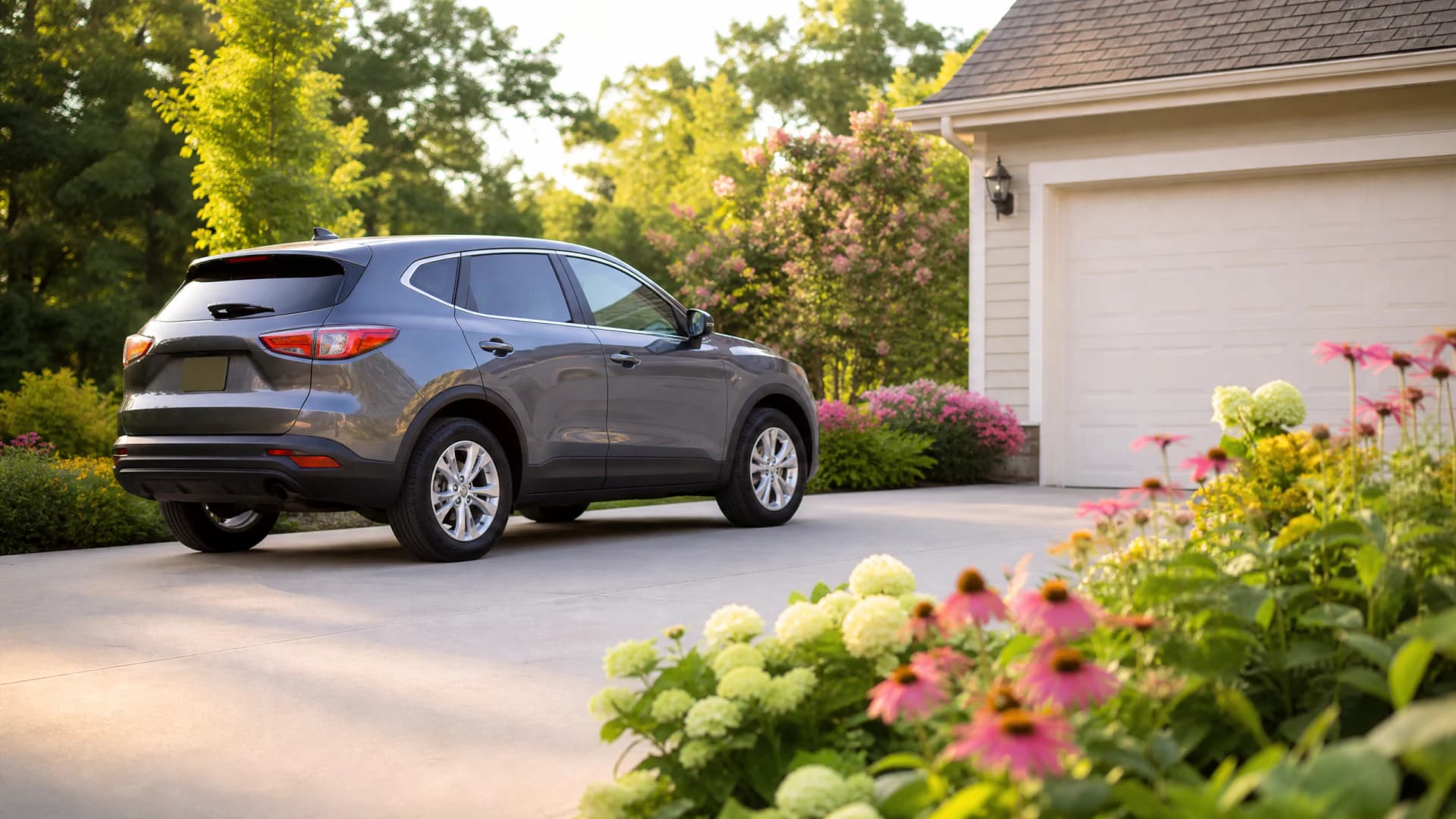
You are paying premiums calculated for full-year exposure while driving one-quarter the annual miles that determined the original rate. The carrier has no obligation to adjust.
Related Articles







Medicare, Medical Payments, and the Liability-Only Structure
Dropping collision and comprehensive does not mean dropping all coverage. Liability remains mandatory in North Carolina, and the state minimum of $50,000 per person bodily injury may not adequately protect retirement assets in a serious at-fault accident. A retiree with a paid-off home, retirement accounts, and no wage garnishment risk should evaluate whether liability limits above the state floor better match current asset exposure. Carriers writing in North Carolina offer liability-only policies; the structure is common and does not signal elevated risk.
Medical payments coverage and personal injury protection coordinate with Medicare but serve different gaps. Medicare covers your medical bills after an accident regardless of fault, but it does not cover passengers in your vehicle or out-of-pocket costs Medicare excludes. Medical payments coverage pays those gaps without a deductible, up to the policy limit you select. Personal injury protection is not required in North Carolina; the state operates under a tort liability system, not no-fault. If you carry passengers frequently—a spouse, grandchildren, neighbors—retaining medical payments coverage at a modest limit addresses passenger injury costs your Medicare does not touch.
A liability-only structure with higher bodily injury limits and optional medical payments coverage costs substantially less than full coverage while addressing the risks a retiree actually faces: injuring someone else in an at-fault accident, and covering passengers. The vehicle replacement risk shifts to you. If you can replace your vehicle from savings without financial distress, you have effectively moved that risk off the carrier's balance sheet and reduced your annual insurance cost by the collision and comprehensive premium.
19
Carriers Writing Auto in NC
Nineteen carriers write auto insurance in North Carolina, spanning preferred, standard, and non-standard tiers. Not all offer mature-driver discounts, and North Carolina law does not mandate one. Compare which carriers recognize low annual mileage and defensive driving course completion; those factors reduce cost more reliably than loyalty alone.
NAIC carrier state-licensure data, verified against NC DOI records

Low-Mileage and Usage-Based Programs for Light Drivers
Carriers price collision and comprehensive by replacement cost and driver profile, not by annual miles driven. A retiree driving 4,000 miles annually pays the same base rate as a commuter driving 15,000 unless the retiree enrolls in a mileage-based program that adjusts premiums to match exposure. Low-mileage discounts and usage-based insurance programs exist, but enrollment is not automatic; you must ask, and not all carriers writing in North Carolina offer them.
Low-mileage discounts apply when you certify annual mileage below a carrier-defined threshold, commonly 7,500 or 5,000 miles. Certification methods vary: some carriers audit odometer photos at renewal, others rely on self-reporting without verification. Usage-based programs install a telematics device or use a smartphone app to monitor actual miles driven, time of day, braking patterns, and speed. Both program types reduce premiums for drivers whose actual usage falls below the standard assumption, but the reduction amount is carrier-specific and not disclosed until you enroll and complete the monitoring period.
If you have already dropped collision and comprehensive, low-mileage and usage-based programs offer less value; the largest premium components they adjust are the coverages you no longer carry. These programs yield the greatest savings when applied to full coverage on a vehicle you drive lightly. Compare carriers on program availability before deciding whether to retain collision and comprehensive at a reduced mileage-adjusted rate or drop the coverages entirely and self-insure the replacement risk.
Comparing Carriers and the Mature-Driver Landscape
North Carolina does not require insurers to offer a mature-driver or defensive-driving-course discount. Discounts are filed voluntarily by each carrier, and availability varies. Some carriers offer an age-based discount starting at 55 or 65 without requiring a course; others offer a course-completion discount available to any driver who completes a state-approved defensive driving program. The two structures are distinct, and not all carriers offer both. Comparing carriers means comparing which discounts each files, how much each reduces your premium, and whether enrollment is automatic or requires you to submit documentation at every renewal.
Nineteen carriers write auto insurance in North Carolina. Preferred-tier carriers such as State Farm, Geico, and USAA serve drivers with clean records and offer online quoting. Standard-tier carriers such as Nationwide and Progressive accept a broader profile range. Non-standard carriers such as Dairyland and The General specialize in higher-risk drivers and rarely compete on mature-driver or low-mileage discounts. If you carry a clean record and have reduced your annual mileage substantially since retirement, preferred and standard carriers offer the most favorable pricing; requesting quotes from at least three carriers in those tiers surfaces the discount and mileage-program differences that one-carrier loyalty obscures.
Agent-based carriers such as Auto-Owners require working through a local broker and do not offer online quotes. This structure can benefit retirees managing a parent's policy from another state or navigating the collision-versus-liability decision for the first time after decades with the same carrier. Brokers compare multiple carriers simultaneously and explain coverage-fit questions general customer-service lines do not address. The tradeoff is time: broker quotes take days, not minutes, and require a phone conversation or in-person meeting rather than an instant online result.

The Next Step: Request Three Liability-Only Quotes
Compare your current annual collision and comprehensive cost against your vehicle's actual cash value minus your deductible. If that net figure is less than three times your annual premium, request liability-only quotes from three carriers writing in North Carolina. Specify your actual annual mileage, ask whether the carrier offers a low-mileage discount or usage-based program, and confirm whether a mature-driver or defensive-driving-course discount applies without requiring re-enrollment each year. The quotes will show exactly what you pay to cover the risk of injuring someone else while shifting vehicle replacement risk to yourself. That comparison—current full-coverage cost versus liability-only cost, both addressing your actual 4,000-mile exposure—resolves the coverage question with your specific numbers instead of generic advice written for drivers still commuting forty miles daily.
The Vehicle-Value and Deductible Crossover
Subtract your deductible from your vehicle's current actual cash value. The result is the maximum amount the carrier would pay you after a total loss, before depreciation and condition adjustments. If that net figure is less than three years of combined collision and comprehensive premiums, you are effectively self-insuring: paying the carrier more over time than you would recover in a realistic claim scenario. A $6,000 vehicle with a $1,000 deductible yields a $5,000 maximum payout; if your annual collision and comprehensive cost $500, you break even only if you total the vehicle within ten years and file no other claims that raise future rates.
Retirees driving lightly face a second threshold: the deductible-to-value ratio. If your vehicle is worth $4,000 and you carry a $1,000 deductible, you recover only $3,000 after a total loss. Partial damage claims—a fender, a door, a windshield—frequently fall below the deductible, leaving you to pay out-of-pocket while continuing to fund premiums for coverage you cannot use. Increasing your deductible to $2,500 lowers your premium but raises the threshold at which a claim pays anything at all, narrowing the coverage utility to catastrophic losses only.
Get Your Free Quote
Get My North Carolina Retiree Auto Insurance QuoteFrequently Asked Questions
Does North Carolina require collision and comprehensive coverage on a paid-off car?
No. North Carolina requires only liability coverage meeting the state minimums: $50,000 bodily injury per person, $100,000 per accident, and $50,000 property damage. Collision and comprehensive become optional the moment a lender releases the title. The decision to continue them is financial, not regulatory.
Will my car insurance premium drop automatically when I pay off my vehicle?
No. Paying off your vehicle does not trigger an automatic premium reduction. Your carrier will continue charging for collision and comprehensive unless you call and request removal. Lenders require those coverages during the loan period, but once the loan ends, the coverage remains until you affirmatively drop it.
How does Medicare interact with medical payments coverage on my auto policy?
Medicare covers your medical bills after an accident regardless of fault, but it does not cover passengers in your vehicle or out-of-pocket costs Medicare excludes. Medical payments coverage on your auto policy pays those gaps without a deductible, up to the limit you select. The two coverages coordinate rather than overlap.
What is the difference between a low-mileage discount and usage-based insurance?
A low-mileage discount applies when you certify annual mileage below a carrier-defined threshold, commonly 7,500 or 5,000 miles, and the carrier audits or accepts your self-report. Usage-based insurance installs a telematics device or smartphone app to monitor actual miles, time of day, and driving behavior, then adjusts your premium based on measured data rather than certification.
Do all North Carolina auto insurers offer a mature-driver discount?
No. North Carolina law does not require insurers to offer a mature-driver or defensive-driving-course discount; carriers file them voluntarily. Some offer an age-based discount starting at 55 or 65, others require completion of a state-approved course, and some offer neither. Compare carriers to identify which discounts each files and how much each reduces your premium.
Can I keep liability coverage and drop collision and comprehensive separately?
Yes. Liability, collision, and comprehensive are separate coverages. You can drop collision and comprehensive while retaining liability at any limit you choose. North Carolina requires liability; it does not require the other two once your vehicle is paid off. Carriers write liability-only policies routinely for drivers in exactly this position.