
Cheapest Car Insurance for Retired Widows — North Carolina
Free to compare
The Renewal Notice That Doesn't Add Up
Your spouse handled the car insurance for decades. Now that responsibility is yours, and the first renewal notice arrived showing a premium increase even though you're driving the same paid-off sedan fewer miles than ever. The carrier removed the multi-car discount when you dropped the second vehicle, kept the multi-policy bundle because the homeowner's policy stayed in place, but the bottom-line number climbed anyway.
This is the structural moment most retired widows face: a household policy designed for two drivers and two vehicles doesn't automatically reshape itself for one driver making occasional trips to the grocery store, doctor's appointments, and church. North Carolina doesn't require carriers to offer widow-specific rate relief, and most won't recalculate your profile unless you ask them to enroll you in programs they already offer but rarely promote to existing customers.
“The household policy you inherited was built for two drivers and two cars; your carrier won't rebuild it unless you ask.”

Keep Your North Carolina Coverage Right for Retirement
Get My North Carolina Retiree Auto Insurance Quote25
Carriers Writing NC Auto Policies
Nineteen carriers in the verified North Carolina roster offer online quotes; six require broker or phone contact. Comparing which ones offer mature-driver course discounts and usage-based or low-mileage programs requires asking each directly, because discount availability is filed per carrier, not mandated statewide.
North Carolina Department of Insurance carrier licensure records
What Your Carrier Removed and What They Didn't Tell You
When you called to remove your spouse from the policy and cancel coverage on the second car, the carrier processed both changes correctly. The multi-car discount disappeared because you now insure one vehicle. If your spouse was the primary driver of that second car, removing them didn't trigger a rate reduction on your remaining vehicle because you were already listed as its driver. The homeowner's or renter's policy bundle stayed, which helped, but that single discount doesn't offset what you lost when the household structure changed.
What the carrier didn't mention during that call: most of them offer low-mileage programs or usage-based telematics programs that recalculate your rate based on how little you actually drive now. As a retiree, you're likely covering a fraction of your working-year mileage. That behavioral change has actuarial value, but only if you enroll in a program that measures it. The standard policy renewal assumes you're still driving commuter-era miles unless you tell them otherwise.
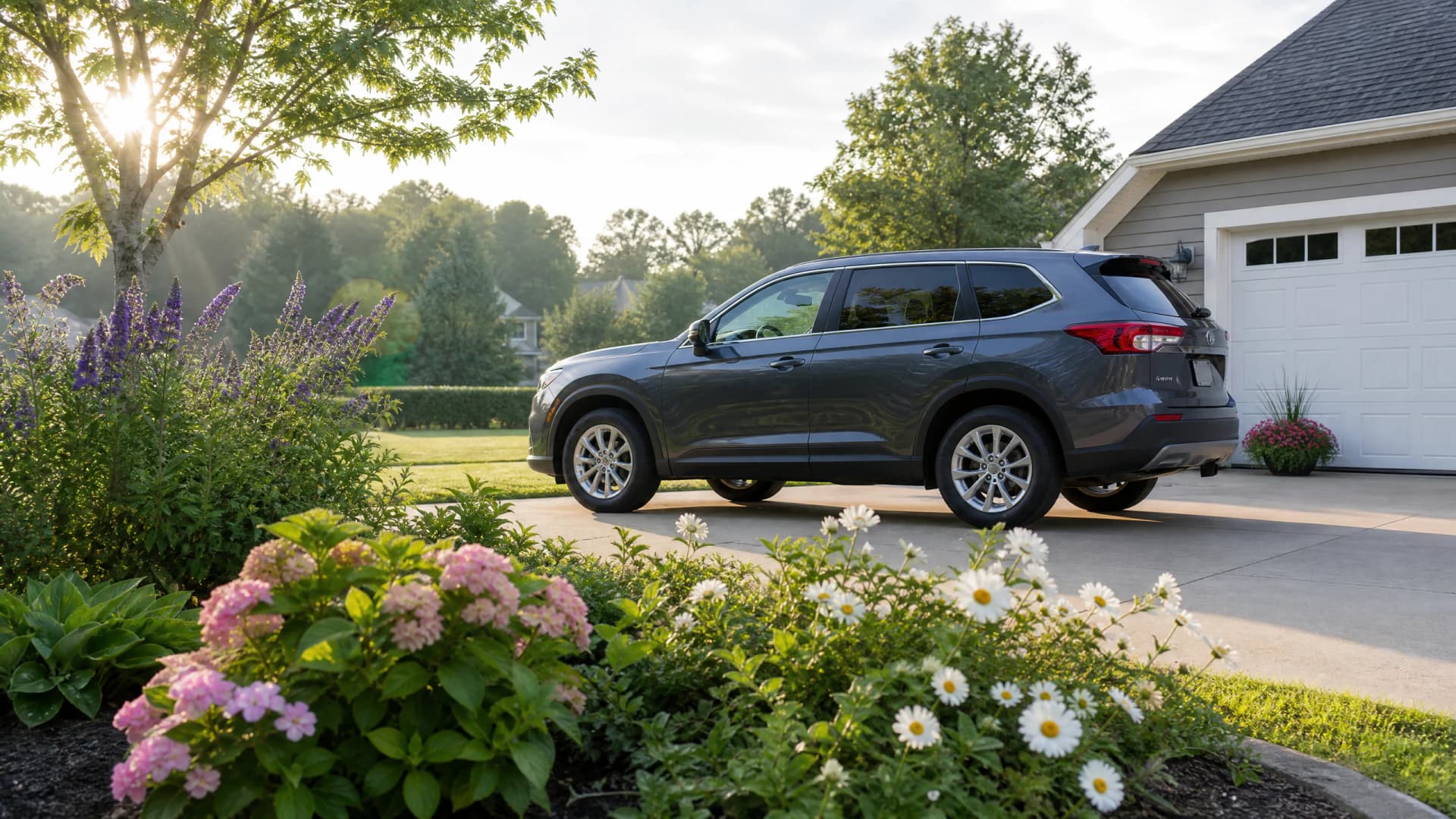
The household policy structure you inherited was built for two drivers and two cars. Your carrier won't rebuild it for one low-mileage retiree unless you request enrollment in programs designed for exactly that profile.
Related Articles

Cheapest Car Insurance Retired Couples Wilmington NC
6/15/2026

Cheapest Insurance Retired Couples Winston-Salem
6/15/2026

Best Car Insurance for NC Retirees
6/15/2026

Cheapest Car Insurance for Retirees in Raleigh
6/15/2026

Cheapest Car Insurance for NC Retirees
6/15/2026

Cheapest Car Insurance for Retired Couples
6/15/2026

The Coverage Decision Most Widows Face on a Paid-Off Car
If the vehicle is paid off and worth less than a few thousand dollars, you're likely paying more in annual collision and comprehensive premiums than you'd recover in a total-loss claim after the deductible. This is the judgment call every retired widow with an older vehicle weighs: whether full coverage still earns its cost. Dropping collision and comprehensive and keeping liability, uninsured motorist, and medical payments coverage can cut your premium substantially, especially if the car's trade-in value barely clears your deductible.
North Carolina requires $30,000 property damage liability, $60,000 bodily injury per person, and $60,000 bodily injury per accident as minimums, plus uninsured motorist coverage. If you carry the state minimums and your retirement assets are modest, those limits may be adequate. If you own your home outright or have significant savings, consider higher liability limits to protect what you've built. An at-fault accident that injures another driver can expose everything you own above your liability cap.
Medical payments coverage overlaps with Medicare, and many retirees question whether they need it. Medicare covers your injuries after an accident, but it doesn't pay immediately at the scene or cover passengers who aren't on Medicare. If you frequently drive grandchildren or friends, a small medical payments limit gives them immediate coverage without waiting for their own health plans to process claims. If you drive alone and Medicare is your only concern, the overlap makes medical payments optional.
$30,000
NC Property Damage Minimum
North Carolina statute sets $30,000 as the minimum property damage liability limit, alongside $60,000 per person and $60,000 per accident for bodily injury. These are floors, not recommendations. A totaled newer SUV can exceed $30,000, leaving you personally liable for the difference if you're at fault.
NC General Statutes § 20-279.21

Which Carriers Handle Retired Widow Profiles Well in North Carolina
Nineteen of the twenty-five carriers writing auto policies in North Carolina offer online quotes; the rest require phone contact or work exclusively through independent agents. Of those nineteen, State Farm, GEICO, Progressive, Nationwide, and Travelers all offer some form of low-mileage or usage-based program, though the specific mileage thresholds and enrollment mechanics differ. State Farm and GEICO also file mature-driver course discounts in North Carolina, but because the discount is voluntary and not mandated by statute, the percentage varies by carrier and you must ask each one directly what theirs is.
If your current carrier doesn't offer a low-mileage program or sets the threshold too high for your driving pattern, request quotes from three competitors that do. When you call or submit an online quote request, state your approximate annual mileage and ask whether their low-mileage discount applies at that level. If you've completed a state-approved defensive driving course within the past three years, mention it during the quote process and provide the certificate number. Carriers that file a mature-driver discount will apply it at quote time if you give them the documentation; those that don't file one won't apply it no matter what you submit.
What Happens When You Don't Re-Enroll Before the Discount Expires
Most mature-driver course discounts last three years from the course completion date. If you completed the course in 2022 and your carrier applied a discount at that renewal, the discount will disappear at your 2025 renewal unless you complete the course again and submit a new certificate before the renewal processes. Carriers do not send reminders that the discount is about to expire, and most renewal notices don't itemize which discounts dropped off since the prior term. You'll see the total premium increase and assume it's a rate hike when in fact it's the loss of a discount you qualified for three years ago but didn't renew.
The same enrollment gap happens with usage-based programs that require annual re-verification. Some telematics programs lock in your low-mileage rate for the full term once you complete the initial monitoring period; others require you to plug the device back in every year or keep the app active continuously. If you uninstall the app or return the device assuming the discount is permanent, it disappears at the next renewal. Read the program terms when you enroll and mark the renewal or re-verification date on your calendar. This is procedural housekeeping your spouse may have handled, and now it's yours.

The Next Step Is Comparison, Not Loyalty
Your spouse's carrier may have served you well for decades, but loyalty pricing works against long-tenured customers more often than it rewards them. Carriers offer their sharpest discounts to new customers and let existing policies drift upward at renewal, knowing most people won't shop. As a retired widow managing a fixed income, you have no obligation to stay with a carrier that won't recalculate your profile to match how you actually drive now. Request quotes from State Farm, GEICO, and Progressive with your current mileage, your mature-driver course completion status, and your actual coverage needs stated clearly. Compare the total six-month premium, not just the monthly payment, and confirm which discounts each carrier applied before you commit. The cheapest option today is the one that enrolls you in every program you qualify for and applies them at quote time, not the one that quotes low and removes discounts at the first renewal.
How to Rebuild Your Policy Around Your Actual Driving
Call your current carrier first and ask whether they offer a low-mileage discount, a usage-based program, or a mature-driver course discount. If your annual mileage dropped below 7,500 miles per year, say so explicitly and ask whether their low-mileage threshold applies to your policy. Some carriers use 7,500 as the cutoff; others use 10,000. If they offer a telematics program that tracks mileage via a smartphone app or plug-in device, ask what the enrollment process requires and whether participation is reviewed at every renewal or locked in once approved.
For the mature-driver course discount, North Carolina law does not require carriers to offer one. According to NC General Statute § 58-36-30, insurers may offer a discount voluntarily, and those that do set the percentage in their filed rates. Ask your carrier whether they offer a mature-driver or defensive-driving course discount, what the percentage is, which course providers they accept, and how long the discount lasts before you need to retake the course. Most discounts require renewal every three years, and if you don't submit a new certificate, the discount disappears at the next renewal without warning.
Get Your Free Quote
Get My North Carolina Retiree Auto Insurance QuoteFrequently Asked Questions
Does North Carolina require car insurance discounts for widows?
No. North Carolina law does not mandate widow-specific discounts or rate reductions when a policyholder's spouse dies. Carriers may offer mature-driver course discounts and low-mileage programs voluntarily, but these are filed per carrier and require explicit enrollment. Your premium won't drop automatically when your household structure changes unless you request recalculation.
How much does a mature-driver course discount save in North Carolina?
The discount percentage is set by each carrier in their filed rates, and North Carolina statute does not fix a minimum. Some carriers file discounts in the range of 5 to 10 percent, but you must ask your carrier or prospective carriers what theirs is. The course itself typically costs between $15 and $30, and the discount usually lasts three years before you need to retake the course and resubmit a certificate.
Should I drop collision and comprehensive coverage on my paid-off car?
If your car's value is low enough that a total-loss payout after the deductible wouldn't cover what you're paying annually in collision and comprehensive premiums, dropping both makes financial sense. Keep liability, uninsured motorist, and medical payments coverage to meet North Carolina's legal requirements and protect your retirement assets. Compare your car's trade-in value against your deductible and annual full-coverage cost before deciding.
Do I need medical payments coverage if I have Medicare?
Medicare covers your injuries after an accident, so medical payments coverage is optional if you drive alone. If you frequently carry passengers who aren't on Medicare, such as grandchildren or friends, a small medical payments limit gives them immediate coverage without waiting for their own health insurance to process claims. Evaluate based on who rides with you, not just your own coverage.
Which North Carolina carriers offer low-mileage discounts for retirees?
State Farm, GEICO, Progressive, Nationwide, and Travelers all offer low-mileage or usage-based programs in North Carolina, though the mileage thresholds and enrollment processes differ. Request quotes from each and state your approximate annual mileage during the quote process. Ask which program they offer, what the threshold is, and whether enrollment is reviewed annually or locked in after the initial monitoring period.
What happens to my car insurance premium when I remove my deceased spouse from the policy?
Removing your spouse cancels their coverage, and if you also dropped the second vehicle, you lose the multi-car discount. The carrier won't automatically recalculate your rate to reflect that you're now a single low-mileage driver unless you enroll in a low-mileage or usage-based program. The renewal premium often increases despite driving less, because the policy structure doesn't reshape itself without your request.
How long does a mature-driver course discount last in North Carolina?
Most carriers that file a mature-driver course discount apply it for three years from the course completion date. If you don't complete the course again and submit a new certificate before the three-year mark, the discount disappears at your next renewal. Carriers do not send expiration reminders, so mark the renewal date on your calendar and complete the course again a few weeks before your policy renews.