
Full Coverage on Paid-Off Cars — Wilmington, NC
Free to compare
The Premium That Didn't Drop When the Loan Ended
You made the final payment on your car six months ago. The lien release arrived, you filed it, and you expected your premium to drop. It didn't. Your carrier still charges for collision and comprehensive because those coverages protect your asset, not the bank's interest. Now you're retired, driving fewer miles, and facing a renewal notice that looks identical to what you paid when you still owed eighteen thousand dollars.
Most retirees in Wilmington assume full coverage is required until the vehicle is ancient or worthless. That's not true. The decision turns on three variables: what your car is worth now, what you could afford to replace it with tomorrow if a storm flooded your driveway, and whether your retirement assets are large enough that an at-fault accident could expose them to a liability claim exceeding North Carolina's $50,000 per-person minimum. The lien is gone; the coverage fit is now yours to decide.
“The lien is gone; the coverage fit is now yours to decide based on what your car is worth and what you could afford to replace tomorrow.”

Keep Your North Carolina Coverage Right for Retirement
Get My North Carolina Retiree Auto Insurance Quote$50,000
NC Bodily Injury Minimum Per Person
North Carolina requires $50,000 per person, $100,000 per accident, and $50,000 property damage. These minimums protect others; they do not cover your own vehicle. Collision and comprehensive are the coverages protecting your asset, and state law does not require either once a lien is satisfied.
N.C. General Statutes § 20-279.21
What Full Coverage Actually Covers After Payoff
Full coverage is shorthand for a policy that includes collision and comprehensive alongside liability. Collision pays to repair or replace your vehicle after an accident you caused or a hit-and-run where the other driver fled. Comprehensive pays when your car is stolen, damaged by weather, hit by a deer, or vandalized. Both coverages pay you, not the other driver, and both stop paying once your vehicle's actual cash value drops below the deductible plus a few hundred dollars in repair cost.
When you carried a loan, the lender required both. Now that the title is yours, the decision is financial: does the annual cost of collision and comprehensive justify the risk of paying out-of-pocket to replace a totaled vehicle? For a retiree driving a paid-off 2015 sedan worth seven thousand dollars, that question has a different answer than it did when the loan balance was eighteen thousand and you were still commuting forty miles a day.
Liability coverage is not part of this decision. North Carolina requires it regardless of vehicle age or ownership status. Uninsured motorist coverage protects you when someone without insurance hits you, and medical payments coverage coordinates with Medicare after an accident. The full-coverage question is narrower: do collision and comprehensive still fit your situation now that the lien is gone and your mileage has dropped?
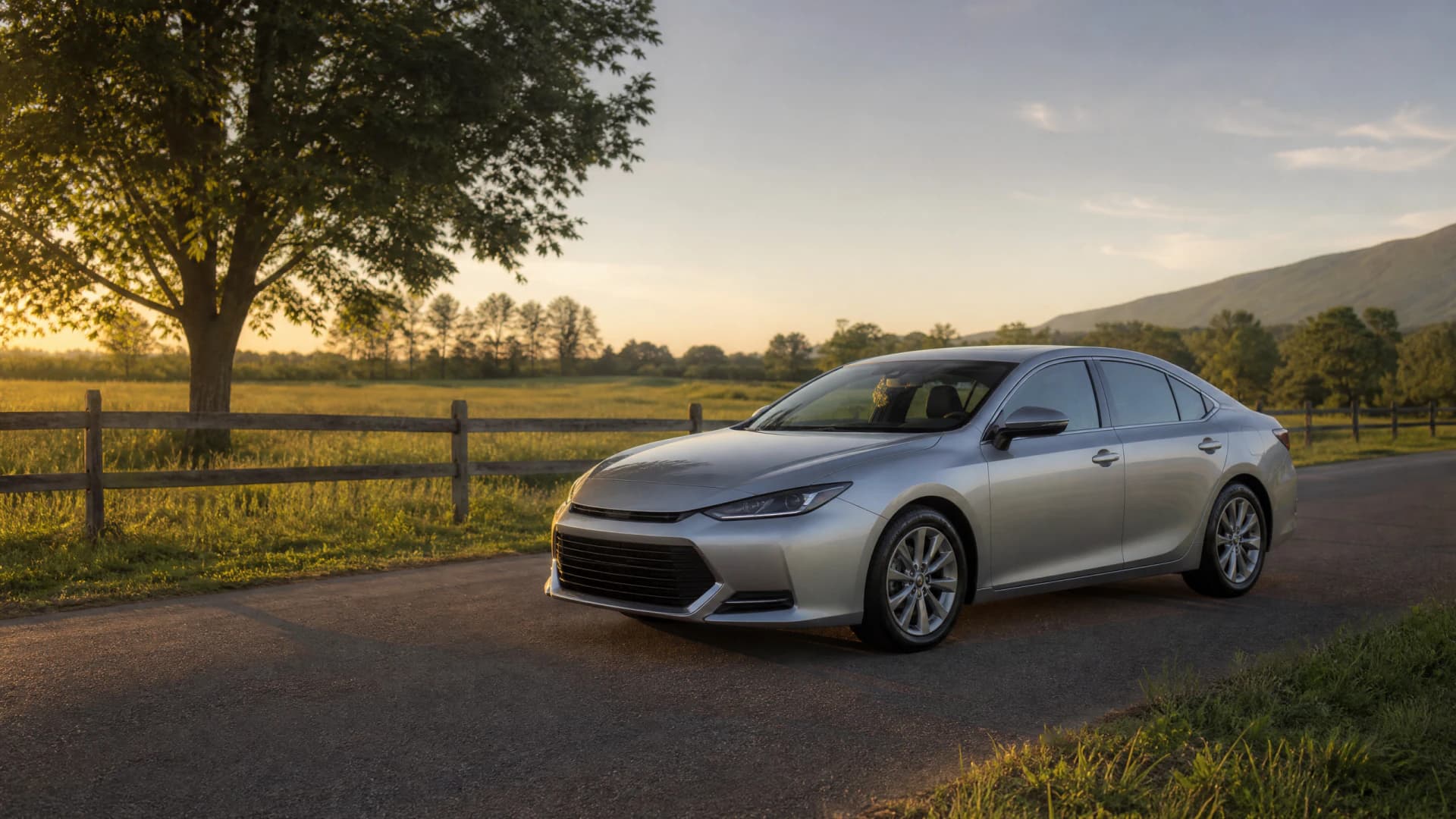
The decision blocker: you lack a current replacement-cost figure for your specific vehicle in your ZIP code, so you cannot calculate whether the annual premium exceeds the at-risk asset value.
Related Articles







North Carolina Carriers That Reward Low Mileage and Defensive Course Completion
North Carolina does not mandate a mature-driver discount. State law does not require insurers to reduce premiums for age or course completion. Carriers file discounts voluntarily, and the amounts vary widely. Some Wilmington-area carriers offer ten percent off for drivers who complete a state-approved defensive driving course; others offer none. Some reduce premiums for annual mileage below seven thousand; others set the threshold at five thousand or do not track mileage at all.
State Farm, Nationwide, and Progressive write in North Carolina and all three offer online quoting. State Farm offers both a mature-driver discount and a low-mileage program called Steer Clear, though eligibility and amounts are set by filing and verified at quote time. Nationwide's SmartRide telematics program measures actual mileage and braking; retirees who drive gently and infrequently often see meaningful reductions. Progressive offers a Snapshot program with similar mechanics. None of these programs require you to keep full coverage, but all three work better when your mileage has dropped and your driving is predictable.
Geico writes in North Carolina and offers SR-22 filing for drivers who need it, but the carrier does not publish a mature-driver or defensive-course discount on its public-facing materials. If you are comparing carriers specifically for senior-friendly underwriting, ask each whether mileage reduction, course completion, and vehicle age influence the full-coverage premium. Some carriers penalize older vehicles in comprehensive pricing due to theft and parts-availability risk; others do not. The difference matters when your car is nine years old and paid off.
19 carriers
Standard and Preferred Carriers in NC
Nineteen carriers writing standard or preferred auto policies operate in North Carolina, including State Farm, Geico, Progressive, Nationwide, Allstate, Travelers, and Erie. Not all offer mature-driver or low-mileage discounts, and eligibility varies by filing. Compare at least three carriers when deciding whether to adjust collision and comprehensive coverage.
NAIC filings and carrier state-availability disclosures

The Coastal Storm and Theft Risk That Shapes Comprehensive Fit in Wilmington
Wilmington sits in New Hanover County, where hurricane season runs June through November and tropical storm surge has historically reached ten miles inland. Comprehensive coverage pays when your vehicle floods, when wind shears a tree limb through the windshield, or when storm debris totals the car in your driveway. If you live in a flood-prone ZIP code near the Cape Fear River or within the coastal evacuation zone, comprehensive coverage may justify its cost even when collision does not.
Vehicle theft rates in Wilmington are moderate compared to Charlotte or Raleigh, but comprehensive also covers catalytic converter theft, which has increased across coastal North Carolina as scrap metal prices rose. If you park a paid-off 2015 sedan on the street rather than in a garage, the theft and vandalism risk tilts the comprehensive decision slightly toward keeping it, even if you drop collision. The two coverages are sold together as full coverage, but you can drop one and keep the other. Many retirees in beach-adjacent neighborhoods keep comprehensive and drop collision once the vehicle ages past the replacement-cost threshold.
Medicare and Medical Payments Coordination After an Accident
Medical payments coverage, often called med pay, is an optional add-on that pays your medical bills after an accident regardless of fault. North Carolina does not require it. Medicare is your primary health insurer once you turn sixty-five, and Medicare pays accident-related injuries the same way it pays any other medical expense. Med pay coordinates with Medicare as secondary coverage: Medicare pays first, med pay covers the gaps Medicare leaves, and you are not reimbursed twice for the same expense.
If you carry a Medicare Supplement plan that covers most or all of your out-of-pocket costs, med pay adds little value. If you carry Medicare Advantage with higher deductibles and copays, a small med pay policy covering five thousand or ten thousand dollars can close the gap after a serious accident. The decision is unrelated to full coverage on your vehicle. You can drop collision and comprehensive and still carry med pay, or you can keep full coverage and drop med pay if your Medicare plan already covers accident injuries well. Evaluate them separately.

Get a Current Vehicle Appraisal and Compare Three Carriers This Month
Look up your vehicle's actual cash value using NADA or Kelley Blue Book, filtered to your Wilmington ZIP code, current mileage, and condition. Write down the midpoint of the range. Pull your most recent renewal notice and add the annual cost of collision and comprehensive — the line items are separated on the declarations page. Divide the annual premium by the vehicle value. If the result exceeds fifteen percent and you could replace the car tomorrow without financial hardship, collision no longer fits. Comprehensive may still fit if you live in a flood zone or park on the street; evaluate it separately based on your coastal storm and theft exposure.
Request quotes from at least three carriers writing in North Carolina. Ask each whether they offer a mature-driver discount, what the eligibility requirements are, and whether mileage below seven thousand miles annually reduces your rate. Ask whether you can drop collision and keep comprehensive, or vice versa. Compare the revised premium against your current bill. If the savings exceed two hundred dollars annually and the coverage change aligns with your replacement capacity, make the switch before your next renewal. If the math is close, keep full coverage one more year and re-evaluate when your vehicle's value drops another thousand dollars.
The Vehicle-Value and Asset-Exposure Framework
Start with your vehicle's actual cash value. Not what you paid in 2015, not the trade-in figure the dealer offered three years ago — the amount an insurer would pay if your car were totaled tomorrow. NADA and Kelley Blue Book publish ranges by ZIP code, mileage, and condition. A 2015 Honda Accord LX with ninety thousand miles in Wilmington typically appraises between six and eight thousand dollars depending on condition. Your carrier's claims adjuster will use a similar tool. If your annual collision and comprehensive premium is twelve hundred dollars and your vehicle is worth seven thousand, you are paying seventeen percent of the asset's value annually to insure it. That ratio signals poor fit.
The second calculation is replacement capacity. If your car were totaled and the claim paid seven thousand dollars, could you buy a comparable replacement without touching retirement savings or going into debt? If yes, collision and comprehensive are optional: you are self-insuring the asset. If no — if losing the vehicle would force you to finance a replacement or withdraw from an IRA — collision and comprehensive remain prudent even when the ratio climbs above fifteen percent. The framework is not absolute; it adapts to your household position.
Get Your Free Quote
Get My North Carolina Retiree Auto Insurance QuoteFrequently Asked Questions
Does North Carolina require full coverage on a paid-off car?
No. North Carolina requires liability coverage regardless of vehicle age or ownership status, but collision and comprehensive are optional once a lien is satisfied. The decision is yours based on vehicle value and replacement capacity.
What is the typical mature-driver discount in North Carolina?
North Carolina does not mandate a mature-driver discount, so the amount varies by carrier. Some insurers offer ten percent for completing a state-approved defensive driving course; others offer none. Ask each carrier what theirs is.
Can I drop collision but keep comprehensive coverage?
Yes. Collision and comprehensive are separate coverages. Many retirees in coastal areas drop collision once vehicle value falls below the replacement-cost threshold but keep comprehensive for storm and theft risk.
How do I know what my car is worth for insurance purposes?
Use NADA or Kelley Blue Book, filtered to your Wilmington ZIP code, current mileage, and condition. The midpoint of the range approximates what an insurer would pay if your vehicle were totaled tomorrow.
Does Medicare cover injuries from a car accident?
Yes. Medicare pays accident-related injuries the same way it pays other medical expenses. Medical payments coverage coordinates as secondary, covering gaps Medicare leaves, and you are not reimbursed twice for the same expense.
Which North Carolina carriers offer low-mileage discounts for retirees?
State Farm, Nationwide, and Progressive all write in North Carolina and offer programs tied to mileage or driving behavior. Nationwide's SmartRide and Progressive's Snapshot measure actual mileage; eligibility and amounts vary by filing.