
Cheapest Car Insurance for Retirees — Cary, NC
Free to compare
Your Premium Rose Though Nothing Changed
You opened your Cary renewal notice and saw another increase. Your driving record stayed clean. You put 4,000 miles on the car last year instead of 15,000. The 2016 sedan sits paid off in your driveway. Yet your premium climbed $40 a month with no explanation beyond "rate adjustment." You called your agent and got vague answers about "market conditions" and "age bracket."
The structural reality most Cary retirees miss: North Carolina does not require carriers to offer a mature-driver discount. Every discount a retiree qualifies for exists because that specific carrier filed it voluntarily with the state Department of Insurance. State Farm may offer a course-completion discount; USAA may not. Geico may cut rates for drivers over 65 who complete an approved program; Progressive structures theirs differently. The carrier you've used for twenty years may have no senior discount at all, while a competitor down the street cuts premiums 10% the day you submit a defensive-driving certificate.
“North Carolina does not require carriers to offer a mature-driver discount; every discount a retiree qualifies for exists because that specific carrier filed it voluntarily.”

Keep Your North Carolina Coverage Right for Retirement
Get My North Carolina Retiree Auto Insurance Quote25
Carriers Writing NC Auto
Nineteen carriers in the injected data write standard, preferred, or non-standard auto policies in North Carolina. Each files discount structures independently. A retiree comparing five carriers for identical coverage often sees monthly premiums spanning a $60-$90 range based solely on which voluntary discounts each insurer applies.
NC Department of Insurance carrier filings
The Discount You Thought Was Guaranteed Isn't
Most Cary retirees calling for quotes assume mature-driver discounts work like the good-driver discount: automatic, universal, applied at renewal without asking. That assumption costs them hundreds of dollars a year. North Carolina statute does not mandate a senior or mature-driver discount. Carriers may offer one. Many do. Some don't. The percentage varies by insurer, and you qualify only if you ask and meet that carrier's specific criteria.
Here's the structural split retirees conflate: an age-based discount (some carriers cut rates automatically when you turn 55 or 65, no course required) versus a course-completion discount (you take an approved defensive-driving program, submit the certificate, and the carrier applies a filed percentage reduction). A few carriers offer both. Many offer one or the other. Some offer neither and price the senior segment through underwriting instead. Your current insurer's approach is not the industry standard; it's one filing among dozens.
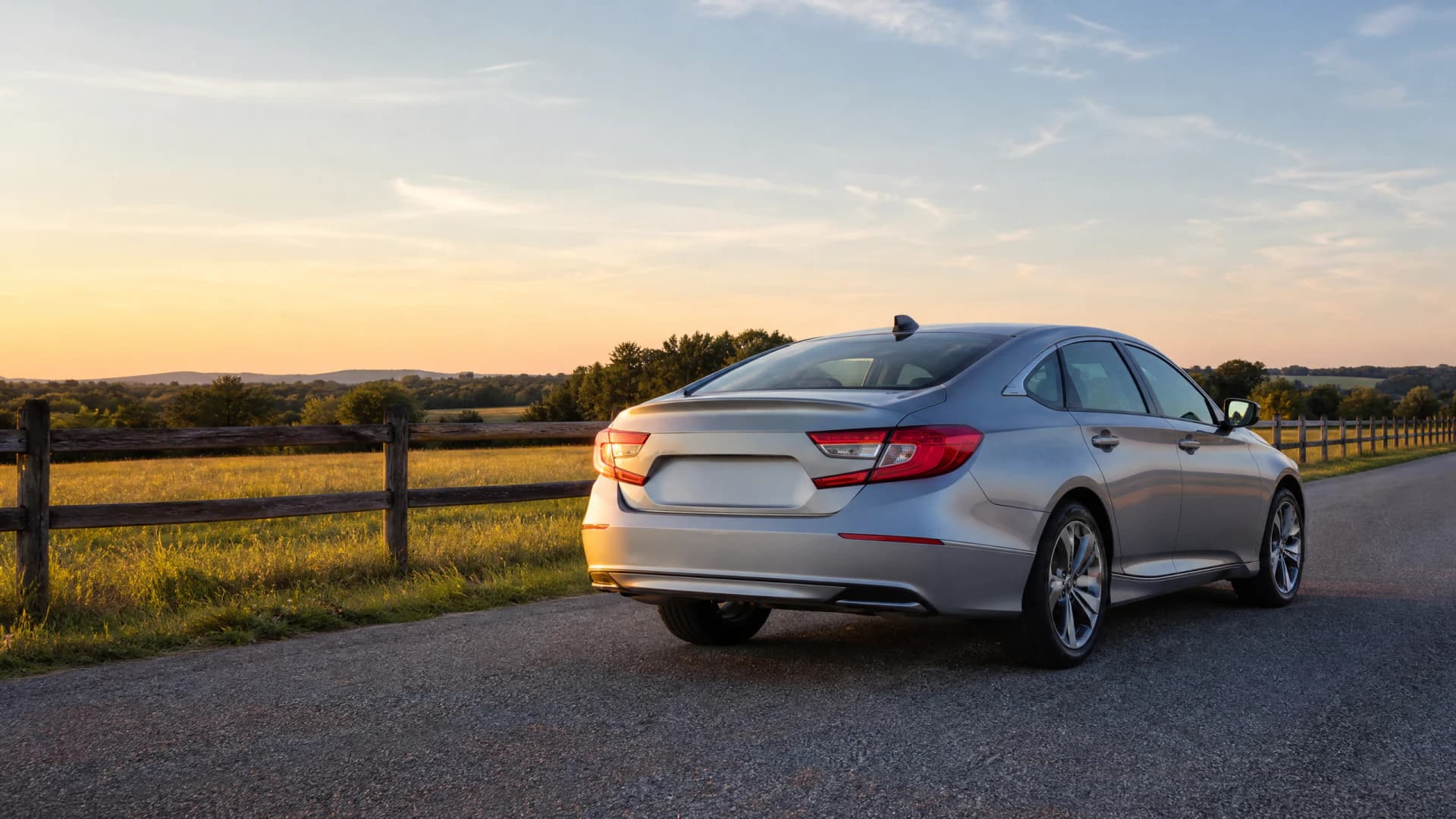
Your blocker right now: you don't know which Cary-available carriers file the mature-driver and low-mileage discounts you qualify for, or how each structures eligibility and renewal.
Related Articles

Car Insurance for Retirees in Cary NC
6/15/2026

Cheapest Car Insurance for Retirees — Cary NC
6/15/2026

Cheapest Car Insurance for NC Retirees
6/15/2026

Cheapest Car Insurance for Retirees in Raleigh
6/15/2026

Best Car Insurance for Retirees in Raleigh
6/15/2026

Cheapest Car Insurance for Raleigh Retirees
6/15/2026

How the Approved-Course Mechanism Works in Practice
North Carolina does not publish a single statewide list of approved defensive-driving courses for insurance-discount purposes. Each carrier that files a course-completion discount specifies which programs it accepts. AARP Driver Safety, AAA Roadwise Driver, and NSC Defensive Driving appear on most carriers' accepted lists, but you verify with your target insurer before enrolling. Courses run online or in-person. Completion certificates arrive within a few business days for online programs, longer for classroom sessions.
Here's the failure mode competing pages omit: the certificate has an expiration window. Most carriers require re-submission every three years to maintain the discount. If your certificate expires two months before your renewal and you don't re-enroll, the discount drops off at renewal and the carrier will not reinstate it retroactively. Your agent may not tell you the certificate lapsed. You'll see the premium increase with no explanation, call in, and learn you need to take the course again to restore the discount.
The enrollment-to-discount timeline matters when your renewal is approaching. Online courses take four to eight hours of logged time, spread across multiple sessions if you prefer. Certificate delivery adds three to seven business days. Carrier processing adds another five to ten business days after they receive your submission. If your Cary renewal date is thirty days out and you haven't started the course, you won't see the discount on this renewal cycle; it applies to the next one, six or twelve months later depending on your policy term.
Some Cary retirees ask whether the course content justifies the time investment. The curriculum covers reaction-time changes, intersection safety, and defensive-lane positioning. Whether that's useful to you is your call. The financial question is simpler: if the discount cuts your premium $80 a year and the course costs $25 and eight hours, the payback period is four months, and the benefit runs three years.
$50,000
NC Bodily Injury Minimum Per Person
North Carolina requires $50,000 bodily injury per person, $100,000 per accident, and $50,000 property damage. Retirees with retirement accounts, home equity, or other assets often carry $100,000/$300,000 or higher liability limits because the minimum does not cover the financial exposure in a serious at-fault accident.
N.C.G.S. Chapter 20, Motor Vehicle Act

The Full-Coverage Decision for a Paid-Off Car
Your 2016 sedan with 92,000 miles sits in your Cary driveway, paid off three years ago. You're now paying $65 a month for collision and comprehensive on a vehicle worth perhaps $6,500 in private-party sale. The agent says "you should keep full coverage." That's not wrong, but it's not the only answer. The coverage-fit question hinges on whether you can replace the car out of pocket if it's totaled, and whether the annual premium justified by the payout math.
Here's the threshold heuristic: when annual collision and comprehensive premiums exceed 10% of the vehicle's current value, the coverage stops earning its cost for most retirees. A $6,500 car paying $780 a year in physical-damage premiums crosses that line. If you total the car, the insurer pays actual cash value minus your deductible. With a $500 deductible, your net recovery is $6,000. You paid $2,340 in premiums over three years to access that $6,000. The math tightens every year the car ages and premiums stay flat or rise.
The alternative path: drop collision and comprehensive, keep liability at $100,000/$300,000, bank the $65 monthly savings, and self-insure the vehicle replacement risk. Over three years you'll accumulate $2,340, enough to buy a comparable used car if yours is totaled. This path works when you have liquid reserves and drive a modest-value vehicle. It does not work when the car is financed, leased, or worth significantly more than your emergency fund can cover.
Compare Five Cary Carriers Before Your Renewal Date
The comparison step most Cary retirees skip: calling or quoting online with at least five carriers before the renewal date arrives. Your current insurer knows you're less likely to shop once the policy renews. Inertia is profitable. Breaking inertia requires treating insurance like any other expense on a fixed budget: you compare, you negotiate, you switch when the numbers justify it.
Request quotes from a mix of preferred and standard-tier carriers writing North Carolina auto. State Farm, USAA, Erie, Nationwide for preferred-tier pricing if your record qualifies. Progressive, Geico, Allstate for mileage-based and usage-based discount structures. Ask each carrier explicitly: do you offer a mature-driver discount, does it require a course or trigger automatically at age 65, what percentage applies, and does it stack with a low-mileage program? Write the answers down. Carriers will not volunteer that a competitor's discount structure beats theirs.
If you've been with your current Cary insurer for a decade or more, the loyalty discount they emphasize may be smaller than the new-customer discount a competitor offers. Loyalty pricing rewards the carrier, not you. The financially sound move is to compare total annual premium after all applicable discounts, not to weight tenure above cost. You're not betraying anyone by saving $400 a year.
Which Carriers File Senior Discounts in North Carolina
Preferred-tier carriers with filed age or course discounts: State Farm, USAA, Nationwide, and Erie all write North Carolina auto and have historically filed mature-driver or defensive-driving course discounts in multiple states. Eligibility, percentage, and renewal rules vary by carrier. State Farm's online discount page references course-completion discounts; USAA restricts eligibility to military-affiliated members but applies discounts automatically when criteria are met. Preferred-tier pricing assumes a clean record and stable credit; if your profile includes points or a recent at-fault claim, these carriers may decline or surcharge.
Standard-tier carriers with mileage-based programs: Progressive, Geico, Allstate, and Travelers all operate usage-based or low-mileage programs in North Carolina. Progressive's Snapshot and Geico's DriveEasy track mileage and driving behavior via app or plug-in device; retirees driving under 7,500 miles annually often see material discounts after the monitoring period. These programs require enrollment and a 90-day to six-month data-collection window before the discount applies. The mature-driver course discount may stack with mileage savings, depending on the carrier's filed structure.
Get Your Free Quote
Get My North Carolina Retiree Auto Insurance QuoteFrequently Asked Questions
Does North Carolina require car insurance companies to offer a senior discount?
No. North Carolina law does not mandate a mature-driver or senior discount. Carriers may file one voluntarily with the state Department of Insurance, and many do, but eligibility, percentage, and renewal rules vary by insurer. You qualify only if your carrier has filed the discount and you meet their specific criteria.
How much does a defensive driving course lower car insurance for retirees in Cary?
The percentage reduction depends entirely on which carrier you use and what discount structure they've filed in North Carolina. No statewide percentage applies. Some carriers reduce premiums after course completion; others offer age-based discounts with no course requirement. Ask your insurer what completing an approved program would change before enrolling.
Do I still need full coverage on a paid-off car in North Carolina?
North Carolina does not require collision or comprehensive coverage on any vehicle, paid off or financed. You need liability coverage to register and drive legally. Whether full coverage makes financial sense depends on your vehicle's current value, your deductible, your annual premium, and whether you can replace the car out of pocket if it's totaled.
Which Cary car insurance companies offer low-mileage discounts for retirees?
Progressive, Geico, Allstate, and Travelers all operate usage-based or low-mileage programs in North Carolina. These programs track mileage via app or device over a monitoring period, then apply discounts based on annual miles driven. Retirees driving under 7,500 miles a year often see material savings after the data-collection window closes.
How often do I need to retake the defensive driving course to keep the discount?
Most North Carolina carriers that file a course-completion discount require certificate renewal every three years. If your certificate expires before your policy renews and you don't re-enroll, the discount drops off and the carrier will not reinstate it retroactively. Verify your carrier's renewal requirement when you first submit the certificate.
Can I switch car insurance companies in the middle of my policy term in North Carolina?
Yes. North Carolina allows you to cancel your current policy at any time. Most carriers refund the unused premium pro-rata. The new policy starts the day you choose. Switching mid-term makes sense when the annual savings with a new carrier exceed any small cancellation fee your current insurer charges.