
Cheapest Car Insurance for Retired Drivers — High Point, NC
Free to compare
Why Your Premium Did Not Drop When You Retired
You stopped commuting to work two years ago. Your annual mileage dropped from 15,000 to under 6,000. Your premium stayed exactly where it was. Most carriers in North Carolina do not automatically adjust your rate when your driving pattern changes unless you tell them your mileage dropped and ask which programs apply. The policy renews at the old rate because the underwriting file still shows the mileage estimate you gave them when you first enrolled.
The confusion deepens when you hear about mature-driver discounts and assume North Carolina requires them. It does not. State law does not mandate a senior or mature-driver discount of any kind. Carriers may offer one voluntarily, and many do, but the amount and the qualification rules are set by each insurer's own filing. Some tie the discount to age alone. Others require completion of a state-approved defensive driving course. A few offer both. If you do not know which carriers writing in High Point file a discount and what it takes to qualify, you are comparing blind.
“State law does not mandate a mature-driver discount in North Carolina, so cheapest depends entirely on which carriers file one voluntarily.”

Keep Your North Carolina Coverage Right for Retirement
Get My North Carolina Retiree Auto Insurance Quote19
Carriers Writing in North Carolina
Nineteen carriers are confirmed writing auto insurance in North Carolina as of the most recent verification. Not all offer mature-driver or low-mileage discounts; comparing means knowing which do and how each qualifies you.
North Carolina Department of Insurance carrier filings
What North Carolina Law Actually Requires
North Carolina General Statute § 58-36-30 governs rate filings and does not require insurers to offer a mature-driver discount. The statute permits carriers to file discounts voluntarily, which many do, but there is no statutory floor percentage and no automatic right to one. If a carrier does not file a mature-driver discount in its rate schedule, it does not offer one, and no amount of asking will create it.
This is why the answer to 'what is the cheapest car insurance for retirees in High Point' depends entirely on which carriers you compare. Geico, Progressive, State Farm, and Nationwide all write here and all file mature-driver programs, but the qualification rules differ. Some require only that you reach age 55 or 60. Others require course completion. The discount amount is set by the carrier's filing and does not appear in marketing materials. You verify it at quote time.
The state does require all drivers to carry minimum liability coverage of $50,000 per person, $100,000 per accident, and $50,000 property damage, plus uninsured motorist coverage. These minimums apply regardless of age. Whether you carry more than the minimum is a coverage-fit decision, not a legal one, and it directly affects your premium.
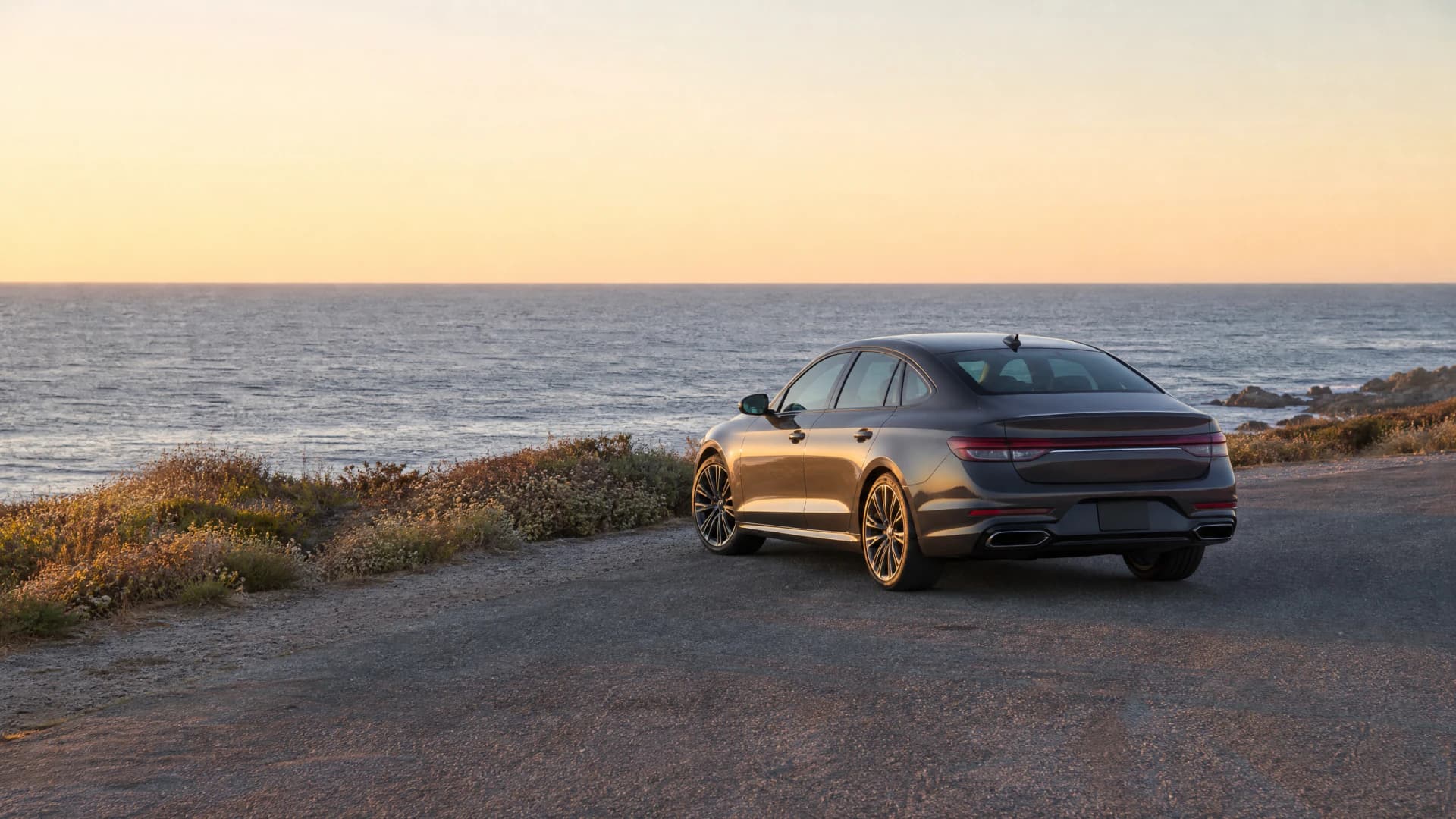
You cannot find the cheapest rate without comparing carriers that file voluntary mature-driver and low-mileage discounts, and most retirees never ask which programs they already qualify for.
Related Articles

Cheapest Car Insurance for High Point Retirees
6/15/2026

Car Insurance Over 65 in High Point NC
6/15/2026

Cheapest Car Insurance Retired Couples High Point NC
6/15/2026

Retiree Car Insurance in High Point NC
6/15/2026

Cheapest Car Insurance for NC Retirees
6/15/2026

Cheapest Car Insurance for NC Retirees
6/15/2026

How Low-Mileage and Usage-Based Programs Work for Retirees
Most retirees in High Point drive well under 10,000 miles per year. The national average for drivers over 65 is around 7,500 miles annually. If your current policy file shows 12,000 or 15,000 miles because that is what you reported when you were commuting, your rate still reflects that higher exposure. Carriers do not call you at renewal to ask whether your mileage dropped. You have to tell them.
Low-mileage discounts typically apply when your annual mileage falls below a carrier-specific threshold, often 7,500 or 10,000 miles. Usage-based programs go further: a telematics device or smartphone app tracks actual miles driven, and your rate adjusts based on verified usage. Nationwide's SmartRide, Progressive's Snapshot, and Geico's DriveEasy all operate in North Carolina. Enrollment is voluntary. The program monitors mileage, time of day, braking patterns, and in some cases speed. If you drive 5,000 miles a year and avoid late-night trips, the discount can be significant.
The failure mode most retirees hit: they assume the carrier applied the low-mileage discount automatically because their annual mileage is obviously lower now. It was not applied. The discount requires you to update your mileage estimate or enroll in the program. If you never do, you keep paying the rate filed for a higher-mileage driver. Call your current carrier, state your current annual mileage, and ask whether a low-mileage or usage-based discount applies. Then compare that adjusted rate against quotes from carriers that specialize in low-mileage profiles.
$50,000
NC Minimum Bodily Injury Per Person
North Carolina requires $50,000 per person, $100,000 per accident bodily injury liability, and $50,000 property damage. Retirees with retirement assets often carry higher limits because the minimum does not cover net worth exposed in an at-fault accident.
North Carolina General Statutes Chapter 20

Whether Full Coverage Still Makes Sense on a Paid-Off Vehicle
You own a 2014 sedan outright. No lien, no loan. The current market value is around $8,000. You are paying for full coverage: liability, collision, and comprehensive. The collision premium alone may be $400 or more annually, and if you file a claim, the payout is capped at actual cash value minus your deductible. If the deductible is $500, the maximum net recovery on a total loss is $7,500. Whether that coverage earns its cost depends on your financial position and your tolerance for replacing the vehicle out of pocket.
The conventional rule of thumb: if the annual cost of collision and comprehensive together exceeds 10 percent of the vehicle's value, consider dropping them. For an $8,000 car, that threshold is $800 per year. Many retirees pay less than that and choose to keep collision for peace of mind. Others pay more and decide the premium is better allocated to liability limits or saved. This is a judgment call, not a mandate. Compare the premium with and without collision, then decide whether the coverage still fits your situation.
Medical payments coverage and personal injury protection interact with Medicare. Medicare is your primary payer for medical expenses after an accident. Med pay and PIP are secondary. If you carry med pay or PIP and you are on Medicare, the insurance pays only after Medicare processes the claim, and only for expenses Medicare does not cover. Some retirees drop med pay entirely; others keep a small amount for copays and deductibles. Verify with your carrier how coordination of benefits works in North Carolina before you drop medical coverage.
How to Compare Carriers Without Overpaying During the Process
Start with your current carrier. Call, state your current annual mileage, confirm your age, and ask three questions: does a mature-driver discount apply to my policy, does a low-mileage discount apply, and do you offer a usage-based program I can enroll in. If the answer to all three is no, or if the discount offered is minimal, you know the baseline you are trying to beat. Write down the adjusted premium they quote with all applicable discounts applied.
Then compare against at least three carriers confirmed to write in North Carolina and file mature-driver or low-mileage programs. Geico, Progressive, State Farm, and Nationwide accept online quotes. Erie and Auto-Owners require an agent. Request quotes with identical coverage limits and deductibles so the comparison is apples to apples. State your correct current mileage in every quote request. If the carrier offers a usage-based program, ask how enrollment works and whether it affects the initial quote or adjusts after a monitoring period. Some programs give a small upfront discount; others adjust at renewal based on verified usage.
If you are comparing whether to keep collision and comprehensive, request two versions of each quote: one with full coverage, one with liability and uninsured motorist only. The delta between them is what collision and comprehensive cost you annually. That number, compared against your vehicle's current value, tells you whether the coverage still fits. Do not let an agent or an online form auto-populate coverage you did not choose. Every add-on increases the premium, and many retirees are paying for coverage they would not select if asked directly.

What to Do Right Now
Call your current carrier today. State your current annual mileage, confirm whether a mature-driver discount and a low-mileage discount apply, and ask for a revised quote reflecting both. If neither applies, or if the discount is smaller than you expected, request quotes from Geico, Progressive, State Farm, and Nationwide using identical coverage. Compare the adjusted premium from your current carrier against the lowest quote you receive. If the difference is $200 or more annually, switching makes sense. If it is closer, decide whether the hassle of switching justifies the savings or whether negotiating a better rate with your current carrier is faster. Either way, you now know what you should be paying, and you are no longer comparing blind.
Which Carriers in High Point Offer Mature-Driver Discounts
Geico, Progressive, State Farm, and Nationwide all file mature-driver discounts in North Carolina and offer online quotes. Geico and Progressive also write non-owner policies and file SR-22 when needed. State Farm is a preferred-tier carrier with a mature-driver program tied to course completion in most states; verify the North Carolina filing requires the course or offers an age-based version. Nationwide offers a SmartRide usage-based program that can lower rates for low-mileage drivers; ask whether telematics or odometer-reading enrollment applies in your county.
Erie, Auto-Owners, Travelers, and Liberty Mutual write standard and preferred-tier policies here. Erie and Auto-Owners require an agent; you cannot quote online. Travelers and Liberty Mutual accept online quotes. All four are worth comparing if you have a clean record and low annual mileage. Farmers and Hartford also write in North Carolina; both accept online quotes and serve standard-tier drivers. Ask each whether a mature-driver discount appears in your quote and what documentation they need to apply it.
Get Your Free Quote
Get My North Carolina Retiree Auto Insurance QuoteFrequently Asked Questions
Does North Carolina require car insurance companies to offer a senior discount?
No. North Carolina General Statute § 58-36-30 does not require insurers to offer a mature-driver or senior discount. Carriers may file discounts voluntarily, and many do, but the amount and qualification rules are set by each insurer's rate filing. If a carrier does not file a mature-driver discount, it does not offer one.
What is the cheapest car insurance company for retirees in High Point?
There is no single cheapest carrier for all retirees. The lowest rate depends on which carriers file mature-driver and low-mileage discounts, your driving record, your annual mileage, and the coverage you select. Geico, Progressive, State Farm, and Nationwide all write in North Carolina and file mature-driver programs; compare quotes from all four with identical coverage to find your lowest rate.
How much does a mature-driver discount save on car insurance in North Carolina?
The discount amount is set by each carrier's rate filing and varies by insurer. North Carolina law does not establish a statutory floor percentage. Some carriers tie the discount to age alone; others require completion of a state-approved defensive driving course. Request a quote with and without the discount applied to see the actual dollar difference for your policy.
Do I still need full coverage if my car is paid off?
Full coverage is not legally required once your car is paid off. North Carolina requires only liability and uninsured motorist coverage. Whether collision and comprehensive still make sense depends on your vehicle's current value, your financial ability to replace it out of pocket, and the annual cost of the coverage. If collision and comprehensive together cost more than 10 percent of your car's value, many retirees drop them.
Will my car insurance rate go down automatically when I retire?
No. Carriers do not automatically adjust your rate when you retire or when your mileage drops. Your premium reflects the mileage estimate and risk profile in your underwriting file. If you drive fewer miles now than you reported when you enrolled, call your carrier, update your annual mileage, and ask whether a low-mileage or usage-based discount applies. The rate will not change unless you request it.
How does Medicare affect my car insurance medical payments coverage?
Medicare is your primary payer for medical expenses after a car accident. Medical payments coverage and personal injury protection are secondary. If you carry med pay or PIP and you are on Medicare, the insurance pays only after Medicare processes the claim, and only for expenses Medicare does not cover. Some retirees drop med pay entirely; others keep a small amount for copays and deductibles.