
Usage-Based Auto Insurance — Fayetteville, NC
Free to compare
The Mileage Question Every Fayetteville Retiree Faces
Your carrier asks how many miles you drive annually at every renewal. You estimate conservatively. The premium stays exactly where it was when you commuted to Fort Bragg five days a week. Nothing in the renewal packet acknowledges that your car now sits in the driveway most days, that your annual mileage dropped from 12,000 to 4,000 the year you retired, or that verifiable low-mileage drivers qualify for rate adjustments most carriers never mention unless you ask directly.
Usage-based insurance in North Carolina splits into two distinct categories: behavior-tracking telematics programs that monitor braking, acceleration, and time-of-day driving through apps or plug-in devices, and mileage-verification programs that confirm low annual mileage through odometer photos or self-reported logs. Retirees who drive infrequently but confidently need the second category. Conflating the two costs you comparison time and leaves money on the table.
“Mileage-verification programs confirm low annual mileage through odometer photos. No real-time monitoring, no scoring, no penalty for night driving.”

Keep Your North Carolina Coverage Right for Retirement
Get My North Carolina Retiree Auto Insurance Quote25
Carriers Writing in North Carolina
State Farm, Geico, Progressive, Allstate, Nationwide, Liberty Mutual, Travelers, and 18 others maintain active North Carolina auto policies. Not all offer low-mileage programs; comparing which carriers verify mileage and how they price it determines whether switching carriers saves more than adding a discount to your current policy.
NC Department of Insurance carrier database, 2025
What Usage-Based Actually Means for a Fayetteville Retiree
Behavior-tracking telematics programs score your driving in real time. Hard braking triggers a penalty. Driving between midnight and 4 a.m. lowers your score. Sharp turns and rapid acceleration factor in. Progressive Snapshot, Allstate Drivewise, and Nationwide SmartRide fall into this category. They promise discounts up to a capped percentage based on driving behavior over a monitoring period, typically 90 to 180 days.
Low-mileage verification programs care only about total miles driven annually. You submit odometer photos quarterly or allow annual mileage confirmation at renewal. No real-time monitoring. No smartphone app running in the background. No scoring of your braking or turn radius. If you drive under 5,000 miles per year and maintain a clean record, mileage-verification programs often deliver larger savings than behavior trackers without the monitoring friction.
North Carolina law does not require insurers to offer either program type. Carriers file their own eligibility rules, discount structures, and verification methods with the NC Rate Bureau. What one carrier calls usage-based another may not offer at all. Comparing program mechanics across the carriers licensed to write in Fayetteville clarifies which structure fits a retiree who drives infrequently but whose driving itself is sound.
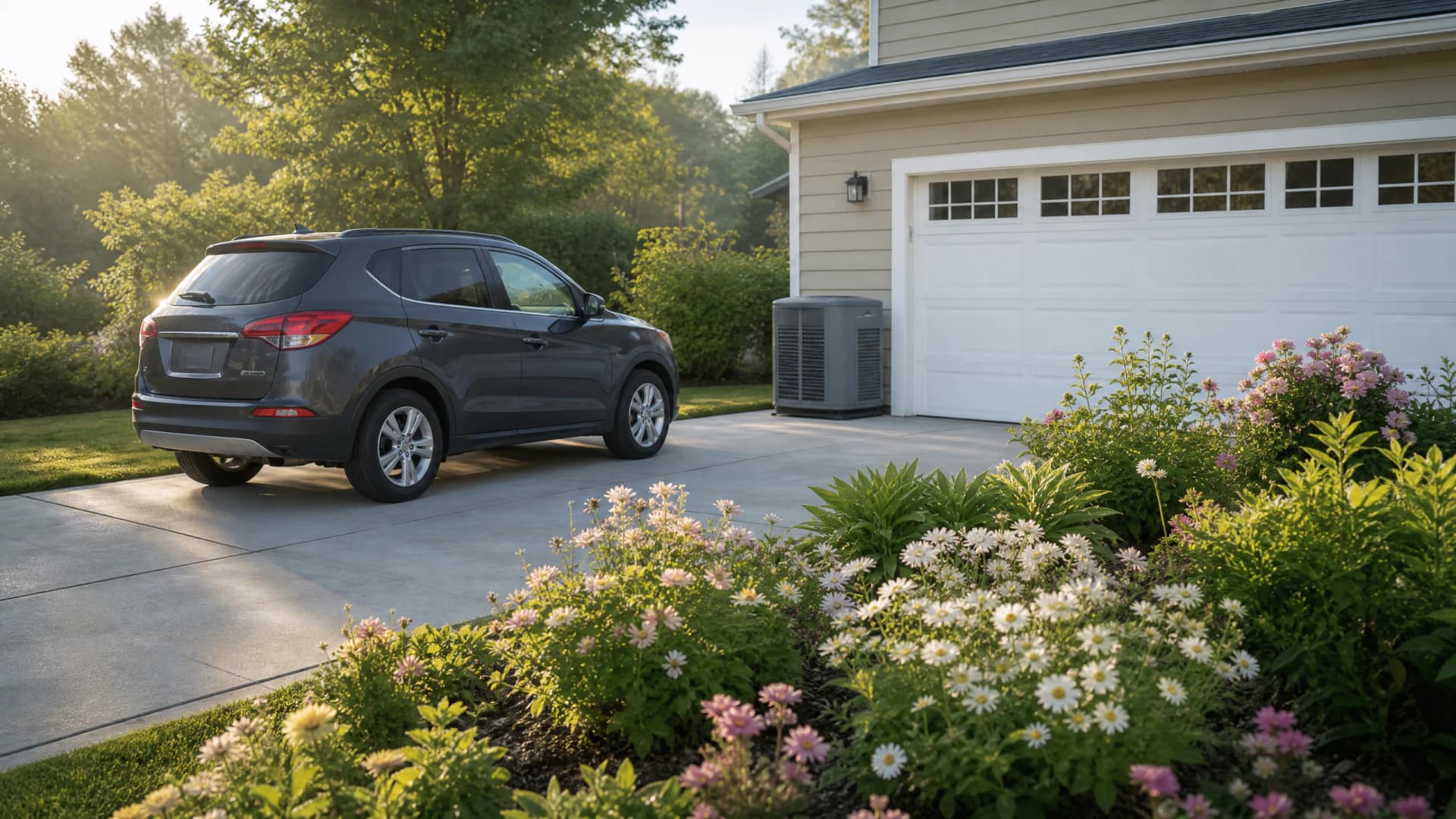
If your carrier offers only behavior-tracking telematics and you drive rarely but confidently, switching to a carrier with mileage-only verification eliminates monitoring entirely while capturing the low-mileage discount.
Related Articles

Low-Mileage Car Insurance Fayetteville NC
6/15/2026

Car Insurance for Retirees in Fayetteville NC
6/15/2026

Cheapest Car Insurance for Retired Couples
6/15/2026

Fayetteville NC Retired Driver Insurance
6/15/2026

Low-Mileage Insurance for Asheville Retirees
6/15/2026

Usage-Based Insurance Raleigh NC Retirees
6/15/2026

North Carolina Quirks That Change the Calculation
North Carolina operates a modified comparative negligence system. If you are found partially at fault in an accident, your recovery reduces proportionally. A single at-fault accident raises your premium regardless of whether you were enrolled in a telematics program at the time. Behavior-tracking programs do not insulate you from fault determination or claims-history surcharges. The discount applies to your base rate; the surcharge applies on top of the discounted rate.
The state does not mandate mature-driver or defensive-driving-course discounts. Insurers may offer them voluntarily. If your carrier offers both a mature-driver discount and a usage-based discount, ask whether they stack or whether only the larger applies. Some carriers cap total discount percentages; others allow independent application. The answer changes whether adding a low-mileage program to your existing mature-driver discount produces meaningful savings or whether switching carriers delivers more.
North Carolina liability minimums stand at $30,000 per person, $60,000 per accident for bodily injury, and $25,000 for property damage. Low-mileage driving does not reduce your liability exposure per trip. A single at-fault accident can exhaust state minimums in seconds. Retirees with retirement assets, home equity, or investment accounts face exposure above policy limits if sued. Liability coverage above minimums protects accumulated wealth; mileage discounts reduce the cost of carrying adequate limits.
Medical payments coverage and personal injury protection coordinate with Medicare. Medicare pays primary for accident-related injuries once you turn 65, but med-pay can cover deductibles, copays, and expenses Medicare does not. Usage-based discounts that lower your premium allow you to carry higher liability limits and retain med-pay without increasing total cost. The question is not whether you drive less; it is whether driving less finances better coverage.
$30,000
NC Minimum Bodily Injury per Person
North Carolina requires $30,000 per person, $60,000 per accident for bodily injury liability, and $25,000 property damage. A single moderate injury claim can exceed per-person minimums. Low-mileage discounts reduce the cost of carrying $100,000/$300,000 limits that better protect retirement assets.
N.C. Gen. Stat. § 20-279.21

How Enrollment Actually Works
Call your current carrier first. Ask explicitly whether they offer a low-mileage or usage-based program, what verification method they use, what the eligibility threshold is, and whether it stacks with any mature-driver discount already on your policy. If they offer only behavior tracking and you prefer mileage-only verification, ask for a quote without the program so you have your true base rate for comparison.
Request quotes from at least three carriers writing in Fayetteville who offer mileage-verification programs. State your actual annual mileage, your vehicle year and model, your current coverage limits, and your driving record. Ask whether their mature-driver discount and low-mileage discount apply independently. Request the total premium with both discounts applied, not the discount percentages in isolation. Percentages mean nothing without the base rate they modify.
Compare What the Program Costs You in Friction
Behavior trackers require active smartphone apps. If you do not carry your phone on every trip, the app cannot score the trip and your discount suffers. If you disable location permissions for privacy, the program does not work. If your phone battery dies mid-trip, that trip goes unrecorded. Dongles stay plugged in but drain battery if the vehicle sits unused for weeks. Some retirees find the monitoring intrusive; others do not mind. The friction is personal, but it is real.
Mileage verification through odometer photos requires you to remember quarterly submissions. Miss a submission window and some carriers default you back to standard rates until the next verification cycle. Self-reported mileage confirmed at renewal is simpler but depends on your carrier offering it. Comparing friction against savings determines whether the program is worth enrolling in. A 10 percent discount that requires daily app interaction you resent is worse than a 7 percent discount that asks for four photos per year.
Compare total annual premium after discount, not discount percentages. A carrier charging a lower base rate with no usage-based program may cost less annually than a higher-base-rate carrier offering a 15 percent telematics discount. Run the numbers with real quotes. Percentages are marketing; total cost is what leaves your account every six months.
Program Mechanics Carriers Use in Fayetteville
Behavior trackers require smartphone apps with location permissions or OBD-II dongles plugged into your vehicle's diagnostic port. The device or app monitors every trip: duration, distance, speed, braking force, acceleration rate, and time of day. At the end of the monitoring period, the carrier calculates a score and applies a discount percentage capped at the program maximum. If your score falls below the threshold, you receive a lower discount or none at all. Most programs let you opt out before renewal if the monitored period produces a worse rate than your base premium.
Mileage-verification programs ask you to photograph your odometer at enrollment and again quarterly or annually. Some carriers allow self-reported mileage confirmed at renewal inspection. The carrier compares reported annual mileage against your initial estimate. If you stay below your declared threshold, typically 5,000 or 7,500 miles per year, the low-mileage discount applies at renewal. Exceeding the threshold midyear does not trigger a surcharge; the discount simply does not renew. No trip-level data. No scoring. No penalty for driving at night or braking harder than the algorithm prefers.
Get Your Free Quote
Get My North Carolina Retiree Auto Insurance QuoteFrequently Asked Questions
Do usage-based insurance programs in North Carolina require smartphone apps?
Behavior-tracking programs require smartphone apps or plug-in dongles that monitor trip-level data. Low-mileage verification programs confirm annual mileage through odometer photos or self-reported logs and do not require real-time monitoring. Ask each carrier which verification method their program uses before enrolling.
Can I combine a mature-driver discount with a usage-based discount in North Carolina?
North Carolina does not mandate mature-driver discounts, and stacking rules vary by carrier. Some allow both discounts to apply independently; others cap total discount percentages or apply only the larger discount. Ask your carrier explicitly whether the two stack and request a quote showing total premium with both applied.
What annual mileage qualifies for low-mileage programs in Fayetteville?
Eligibility thresholds vary by carrier. Most low-mileage programs set thresholds at 5,000 or 7,500 miles per year. Some require mileage under 3,000 for maximum discount. Retirees who no longer commute and drive primarily for errands and appointments typically fall below 5,000 miles annually.
Does a usage-based discount reduce my premium if I have an at-fault accident?
Usage-based discounts apply to your base rate, but at-fault accidents trigger surcharges that apply on top of the discounted rate. North Carolina uses modified comparative negligence; even partial fault can raise your premium. The discount does not insulate you from claims-history surcharges.
What happens if I exceed my declared annual mileage midyear?
Most mileage-verification programs do not surcharge you midyear for exceeding your threshold. The low-mileage discount simply does not renew at your next policy period. Behavior-tracking programs score completed trips and do not penalize mileage directly, though longer trips provide more data points for scoring.
Do I need higher liability limits if I drive fewer miles in retirement?
Lower annual mileage reduces accident frequency but does not reduce liability exposure per trip. A single at-fault accident can exhaust North Carolina's $30,000 per-person minimum in seconds. Retirees with home equity or retirement assets face exposure above policy limits if sued. Low-mileage discounts reduce the cost of carrying $100,000/$300,000 limits that protect accumulated wealth.